About me
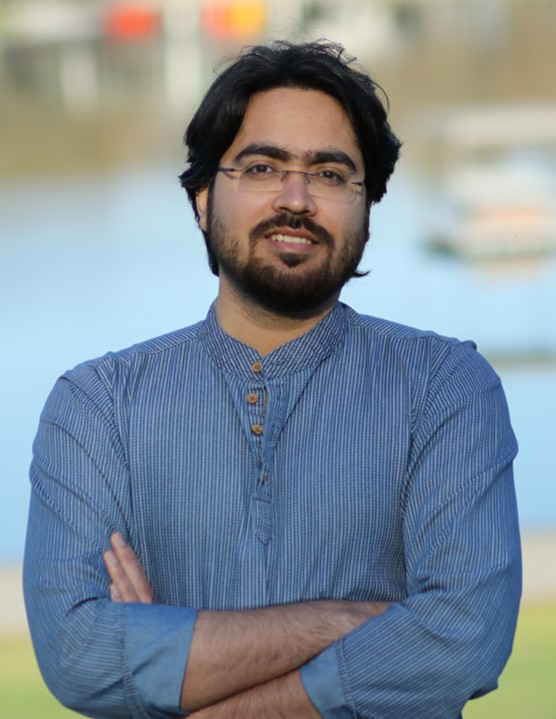
I’m Amit Kumar, a materials scientist with a background in mechanical engineering. For more than ten years I have worked on metal additive manufacturing and materials processing, in university labs, a start-up and an industrial research centre.
- 10 journal papers and an ASM Handbook chapter
- 2 US patent applications
- Teaches 9 courses in metal AM, including a four-week program delivered to Stryker engineers
- Dobson Cup winner, McGill
How I got here
I started as a mechanical engineer in India, fixing and building machines. Curiosity about why metals behave the way they do took me to IIT Gandhinagar for materials science, and on to IIT Bombay, where I worked with phase diagrams, friction stir welding, a Bridgman furnace and multi-axis robots.
At McGill I took on a rule every LPBF engineer learns early: anything flatter than about 45° needs supports. I found ways to print IN625 overhangs down to nearly flat, and internal zero-degree surfaces, without them. Then I took the idea from test bars to a closed impeller with 790 MPa yield strength and 45% elongation, which led to a patent application. Alongside my Ph.D., I helped B3D Performance design and build a powder-layer density instrument from scratch; the team won McGill’s Dobson Cup.
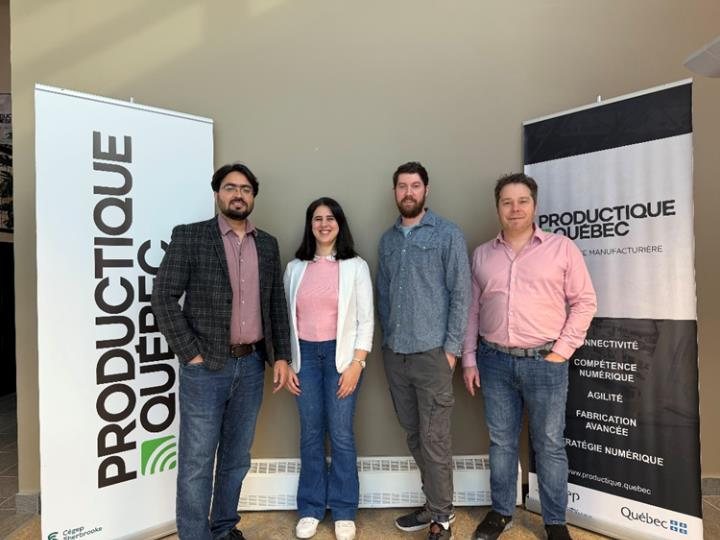
At Productique Québec I put it all to work for industry. I built machine- and material-specific design rules, prepared and ran production builds, wrote a Netfabb manual for the team, and helped companies such as Exonetik decide when additive manufacturing makes sense. I am also closely involved in training people: my courses range from one- or two-day workshops to comprehensive month-long programs, such as the four-week LPBF course I designed and taught for Stryker engineers in 2024.
What I bring to a team
Each of these is backed by work you can see on this site.
Materials science, in depth
Physical, mechanical, process, powder and pyrometallurgy, tied to what a part actually needs. I read a micrograph, a fracture surface and a residual-stress map as one story.
See my materials workLPBF from the machine up
More than five years on Renishaw AM250, AM400 and RenAM 500E machines: lasers, scan strategies, process windows, supports, Netfabb build files and powder reuse.
See my LPBF workSimulation that predicts the build
Thermal and thermo-mechanical FEM in Abaqus, FVM melt-pool models and DFT, always checked against the real part.
See the simulation workTurning research into decisions
Design rules, cost models and training that let a company decide what to print, how to qualify it, and whether it pays.
See the courses I teach
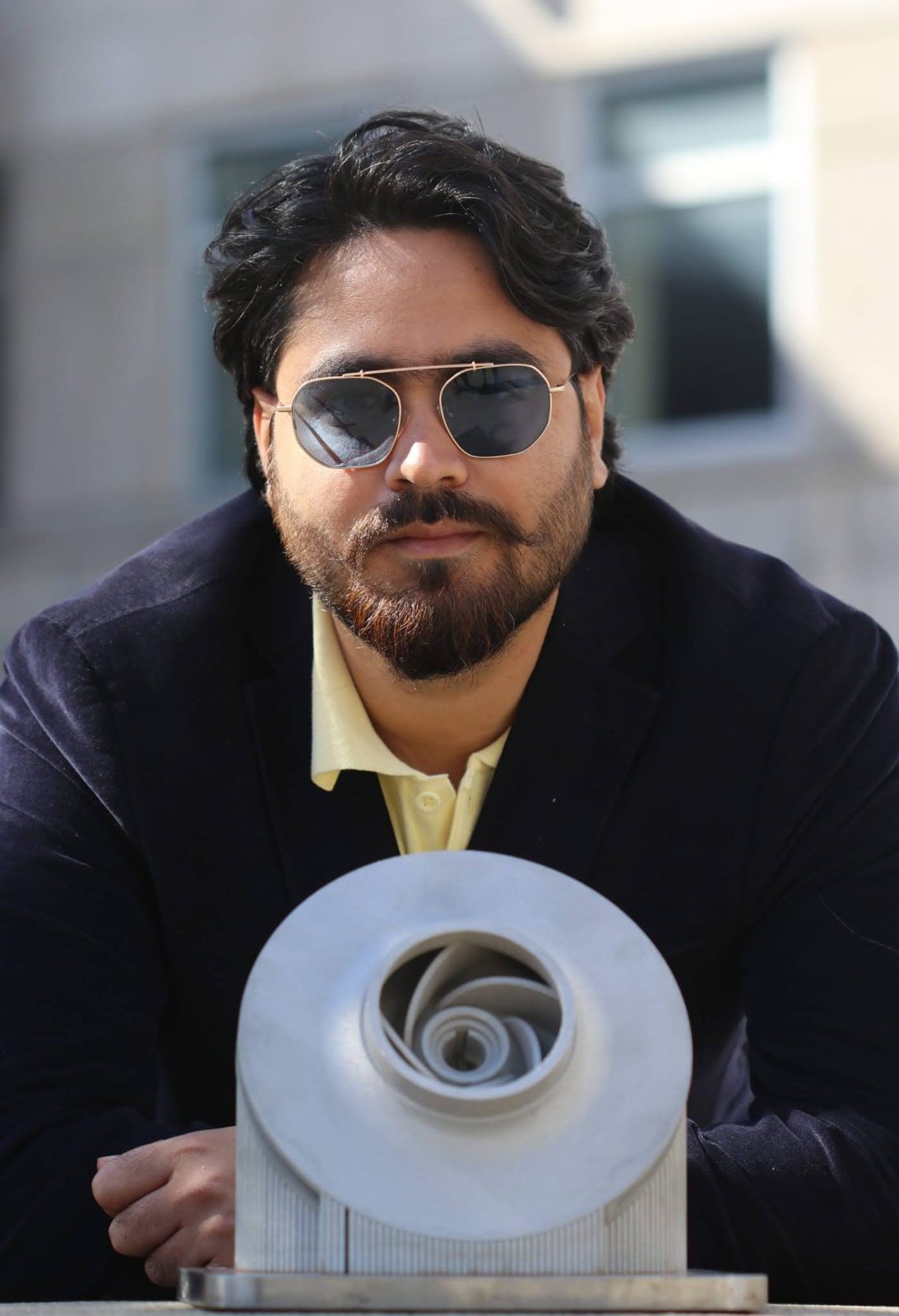
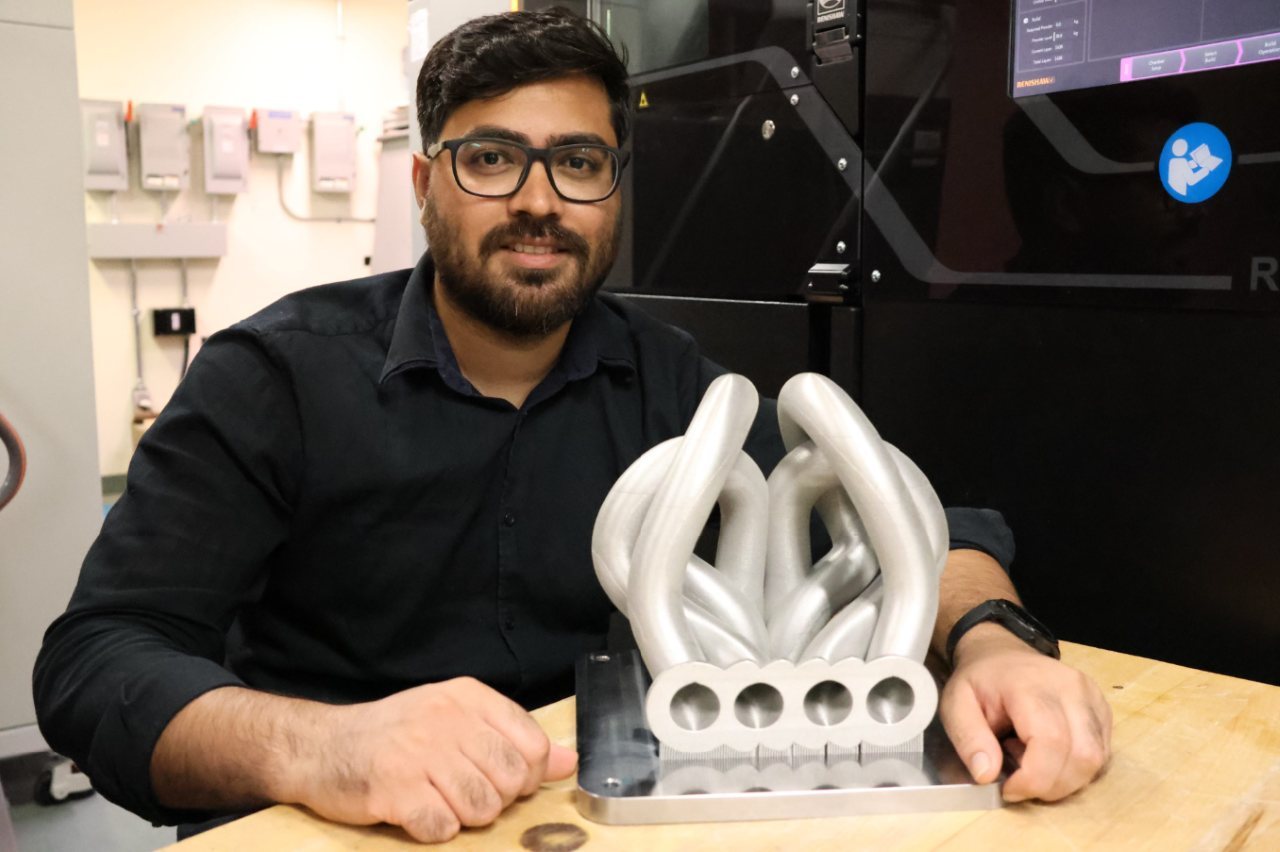
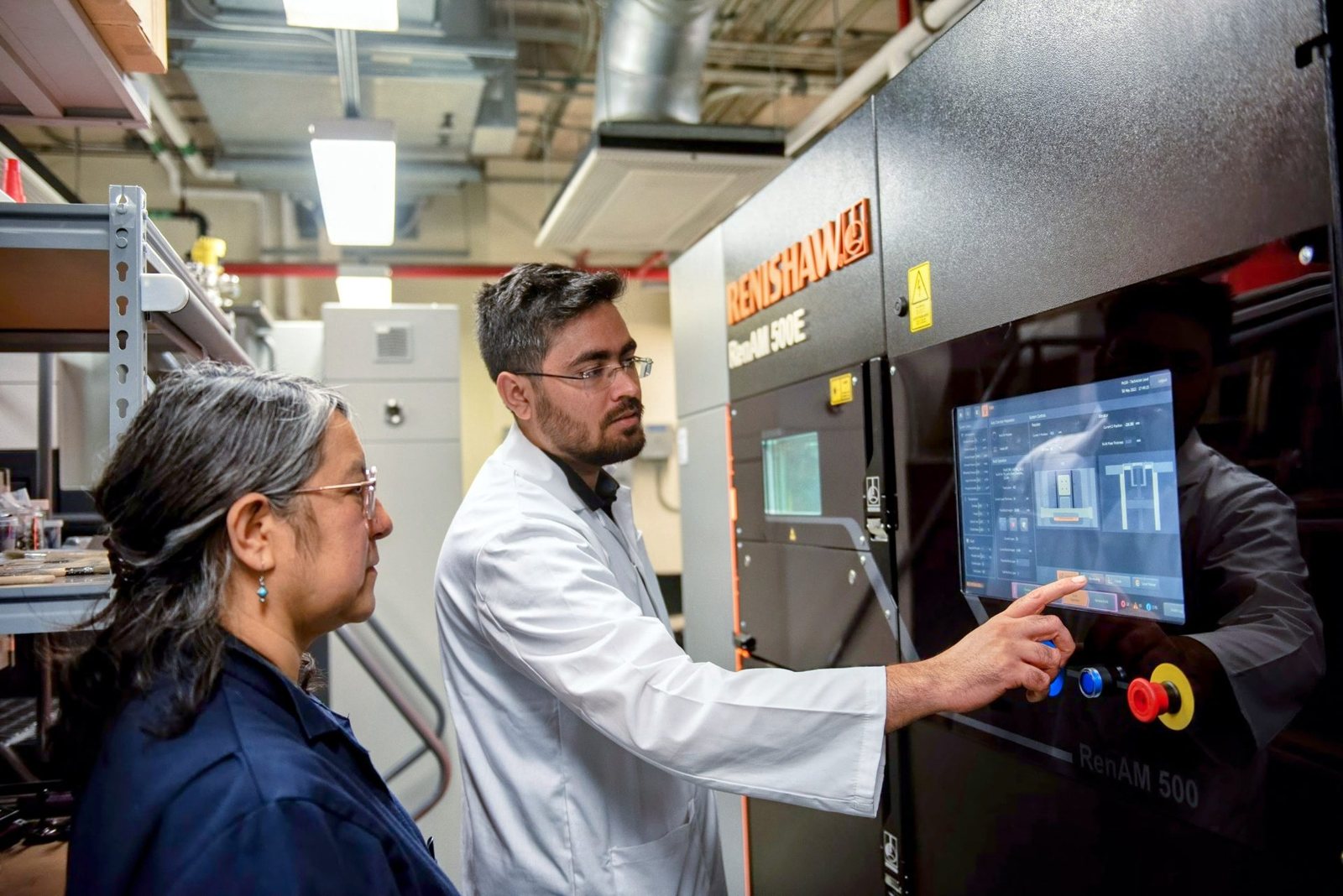
I’m based in Sherbrooke, Québec, and looking for research and industry roles across Canada in advanced materials and manufacturing.
Career
- 2025–2026
Additive and Digital Manufacturing Specialist
Productique Québec (CCTT), Sherbrooke. Industrial metal AM R&D: process windows, DfAM frameworks, IIoT-monitored builds and technology assessments.
- 2024
Principal Instructor
Advanced Training Program on AM Technologies, IIT Guwahati. LPBF and DfAM training for Stryker engineers; robotics training for doctoral researchers.
- 2018–2024
Doctoral Research Fellow
P²[AM]² Lab, McGill University, with Prof. Mathieu Brochu. Support-free LPBF, residual stress, simulation and characterization, with industrial partners.
- 2018–2021
Engineering Consultant
B3D Performance, Montréal. Powder-layer density instrument, from concept to patented prototype.
- 2015–2017
Research Assistant and Intern
IIT Gandhinagar and IIT Bombay. CALPHAD, friction stir welding, a Bridgman furnace, multi-axis robots and DED.
Education
- 2018–2024Ph.D., Materials Engineering, McGill University
- 2014–2016M.Tech., Materials Science and Engineering, IIT Gandhinagar
- 2008–2012B.E., Mechanical Engineering, Visvesvaraya Technological University
Recognition
- McGill Engineering Doctoral Award, 2018–2021
- Dobson Cup, McGill University, 2020 (B3D Performance team)
- Graduate Research Enhancement and Travel Award, McGill, 2019
- Design for Additive Manufacturing certification, Wohlers Associates, 2018
- MHRD Postgraduate Scholarship, India, 2014–2016
What concerns me
I grew up in Bihar, one of the poorest states in India, and saw widespread poverty around me as a child. That is why I believe food, shelter and education are the most important human needs of our time, and why I give my time to them.
Hunger
For almost a year I gave my Friday evenings to cooking for people who really needed a meal. In Canada I cooked and served food at a church and at community kitchens, and distributed meals to people in need. I also worked with the Milton Park Association in Montréal, where I helped elderly residents learn to use technology.
The right to education
I have taught students in elementary schools and night schools. With the Nayasa Foundation in Gandhinagar I taught children of migrant workers and families in difficulty, and helped raise funds to keep the program running.
Languages
English (full professional), French (basic, improving), Hindi (native).