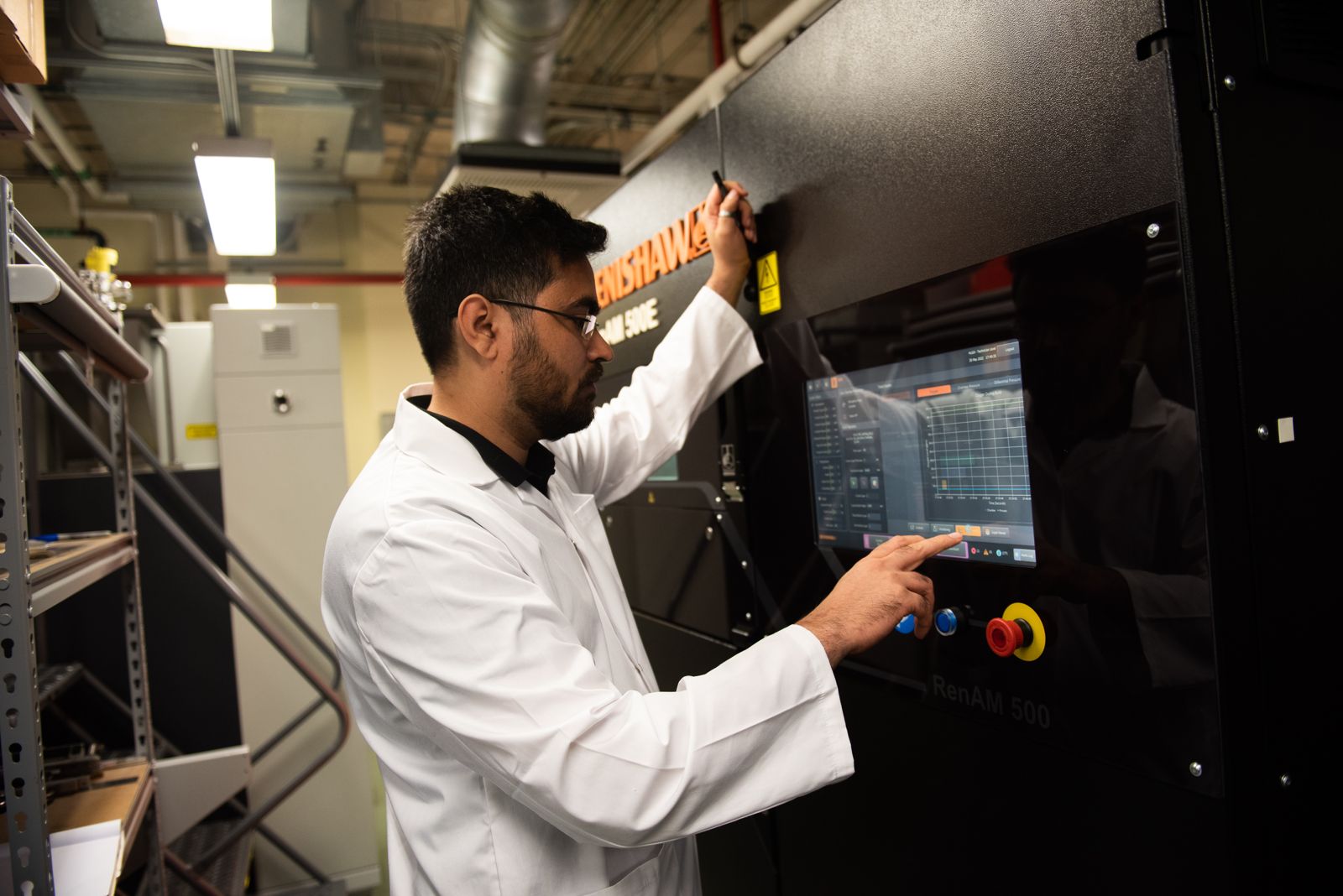
I started my PhD at McGill in 2018 and defended in 2024. In between, I printed a lot of metal, broke a lot of things, wrote papers, taught, worked with industry, helped build a startup’s instrument, and learned more about myself than about overhangs. Students now ask me for advice regularly, so I have written down what I usually tell them.
None of this is universal. Every lab, supervisor and field is different. But these are the things I wish I had known in my first year.
Choose the supervisor as carefully as the topic
Your topic will change. Mine did. Your supervisor will shape your daily life for years: how you are guided, how much freedom you have, how conflicts are handled, and who you meet. Before you accept, talk to current and former students in the group, privately. Ask how often they meet the supervisor, how long students take to finish, and where they went afterwards.
A brilliant supervisor who has no time for you can be harder to work with than a less famous one who meets you every week.
Define the question early, and write it down
Many PhD students spend their first year “reading the literature” without a question to read for. Try to write your research question in one or two sentences within the first few months, even if it is wrong. A wrong question can be corrected. A missing one leaves you drifting.
A good engineering PhD question usually has three parts: what problem, why it matters, and what you will do that has not been done. “Can metal overhangs below 45° be printed without supports, and what does that do to the material?” was close to mine.
Read with a purpose
You cannot read everything. Read the five to ten most important papers in your area very carefully, and keep a short note on each: what they did, what they found, what they did not do. Read the rest quickly, for the figures and the conclusions. Keep a reference manager from day one. You will thank yourself during thesis writing.
Get your hands dirty early
In experimental engineering, the first experiments almost always fail or surprise you. That is information. Start small experiments in the first months, even if they are crude. Learn the machines and the characterization equipment yourself. Being able to run the SEM, the XRD or the printer on your own will save you months of waiting over the course of a PhD.
Treat your data like someone else will audit it
Name files consistently. Record parameters, dates, powder lots and machine conditions for every build. Keep raw data separate from processed data. Back everything up in at least two places. Write short notes on what you did each day.
Three years later, when a reviewer asks how sample 47 was made, you will need to know. I learned this the hard way.
Write from the beginning
Write something every week: notes, methods, a figure caption, a paragraph of introduction. Writing is how you find out what you actually understand. A thesis written in the last six months from scratch is painful. A thesis assembled from three years of drafts is much less so.
Aim to turn chapters into papers along the way. Papers give you deadlines, feedback and evidence of progress, and they make the final thesis easier.
Learn to work with industry
If your project has industrial partners, take them seriously. They bring real problems, real constraints and, often, the job you will have later. Learn to explain your work in their language: cost, time, risk and reliability, not just microstructure. My work with companies such as Bombardier, Pratt & Whitney and a small start-up taught me as much as my experiments did.
Teach and help others
Being a teaching assistant, training new students on equipment, or mentoring an undergraduate takes time. It also teaches you to explain your field, builds your network, and reminds you why the work matters. Some of my most satisfying PhD memories are of teaching.
Look after your life outside the lab
A PhD is long. Sleep, exercise, friends, family and community matter for your work as well as your health. For almost a year I spent my Friday evenings cooking for people who needed a meal. It cost me some lab hours. It gave me back perspective, energy and friendships that outlasted the doctorate.
If you are struggling, say so early: to your supervisor, to a friend, or to your university’s student support services. Asking for help is a skill, not a weakness.
Plan the exit from the first year
Ask yourself early what you want after the PhD: academia, industry, a national lab, a startup. The answer changes what skills to build, which conferences to attend and who to meet. Industry, in particular, values projects finished on time, clear communication and practical judgment as much as publications.
Keep a running list of what you have done: papers, talks, awards, skills, equipment, teaching, collaborations. Your CV will write itself.
A last thought
A PhD is not a test of how clever you are. It is training in how to work on a hard problem for a long time, with uncertainty, and still produce something useful. The persistence matters more than the brilliance.
If you are about to start, I wish you an interesting question, a good supervisor, patient machines and plenty of coffee.