Expertise
What I work on, from the powder to the qualified part, with links to the projects behind each area.
Materials science
My training is in materials science, and it is the lens I use for every process and every part. I read a component through the powder it came from, the high-temperature route that made it, its microstructure and defects, and how it deforms and fails. Metallurgy is the core of that, in all its branches.
Physical metallurgy
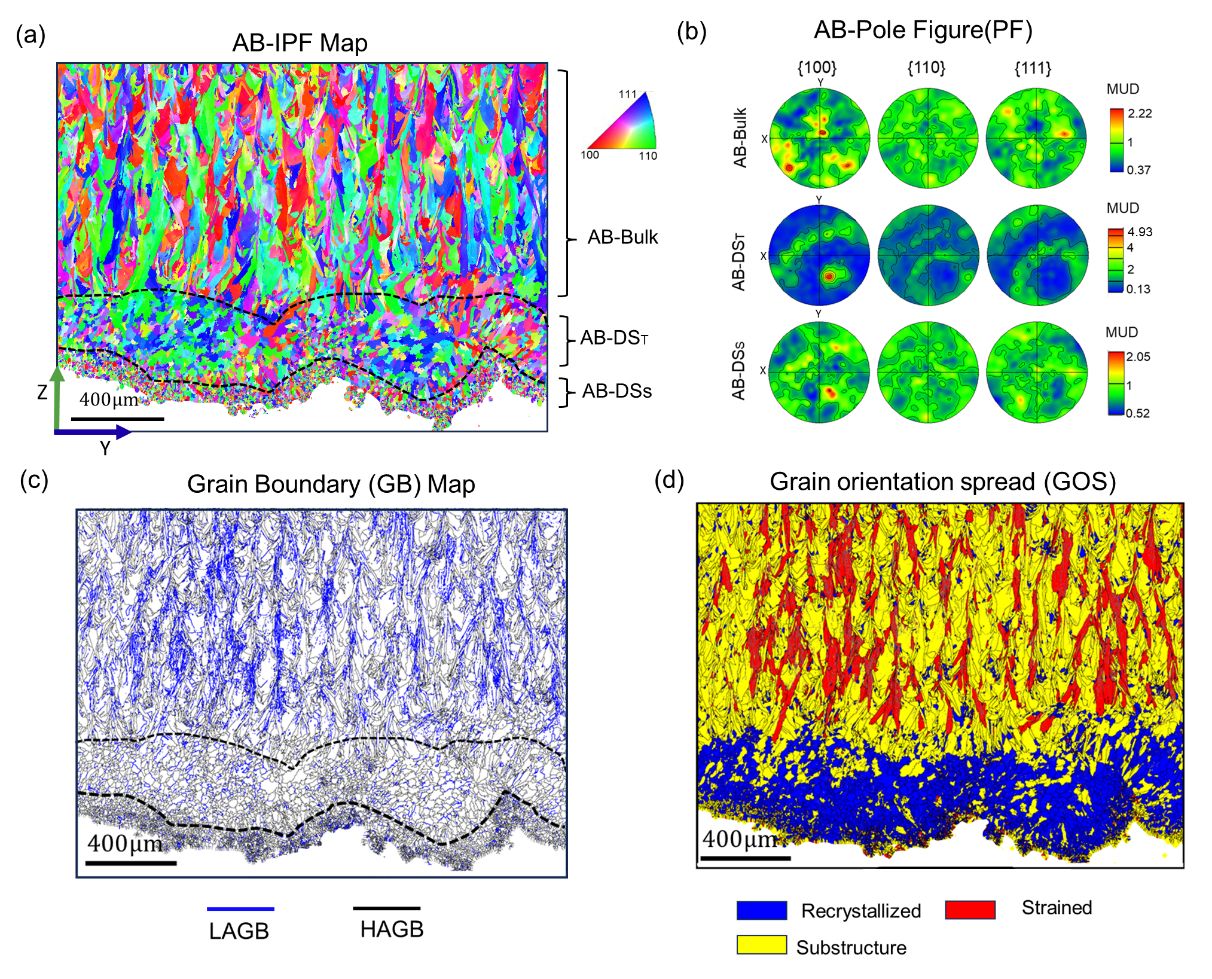
- Rapid solidification. In LPBF IN625 I measured a fine cellular structure of about 0.7 µm with Nb segregation at cell boundaries in the bulk, against about 4.7 µm in the slower-cooling downskin of a zero-degree overhang. Primary dendrite arm spacing grows with layer thickness, and grains grow columnar along the build direction with an aspect ratio of about 3.5.
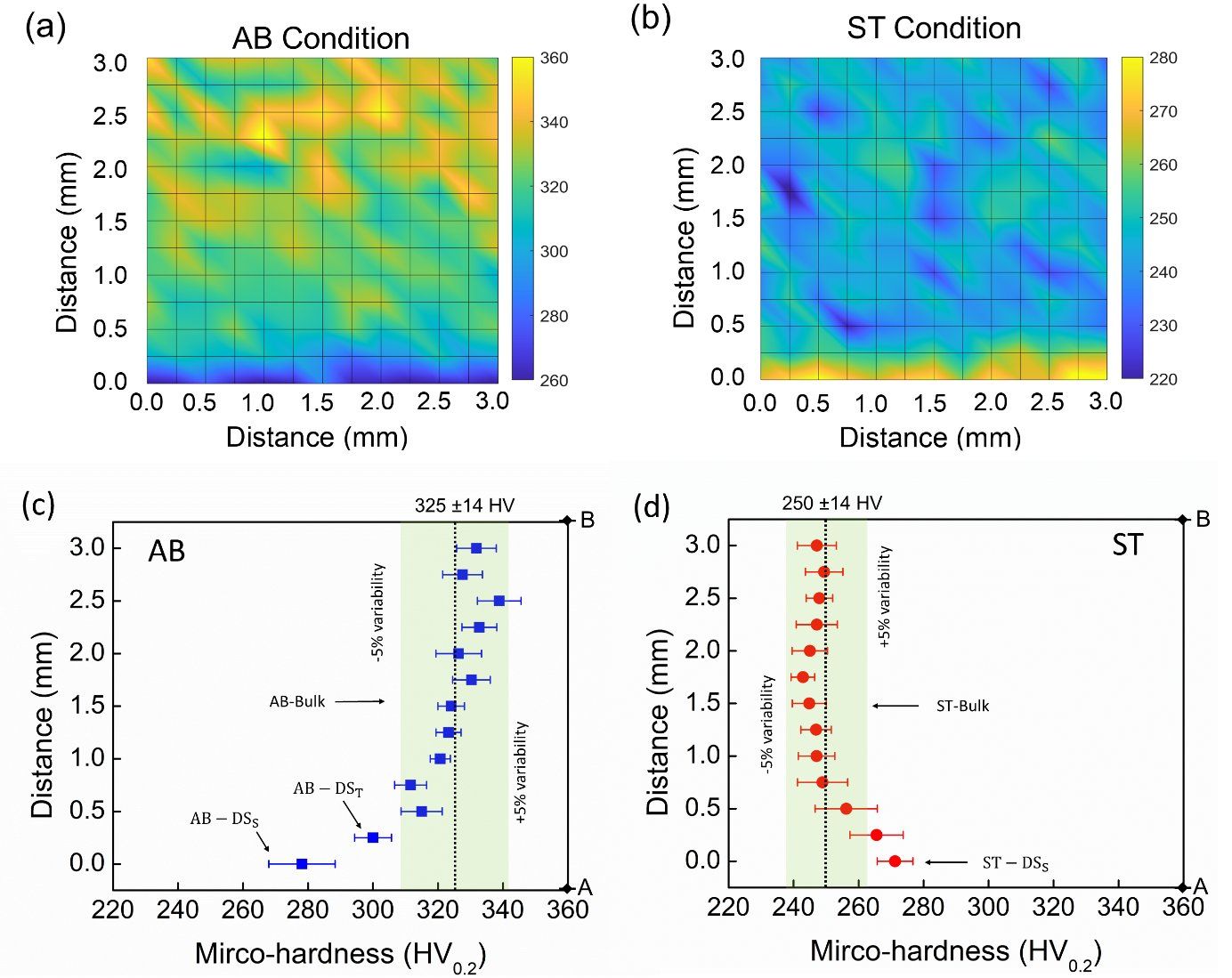
- Dislocations and recrystallization. EBSD, kernel average misorientation and geometrically necessary dislocation maps gave about 1.3 × 10¹⁴ m⁻² in the bulk and 0.7 × 10¹⁴ m⁻² at the downskin. After solution treatment the bulk recrystallized and softened from 322 to 252 HV, while the downskin held its hardness (278 to 271 HV): the gradient across the part reversed.
- Phase transformations. Secondary phases and carbides during heat treatment of printed IN625, intermetallics in dissimilar Al–Cu friction stir welds, and columnar growth under directional solidification.
Pyrometallurgy
- High-temperature furnaces. Designed and built a Bridgman induction furnace for melting and directional solidification up to 1500 °C, and helped set up a high-temperature materials processing laboratory.
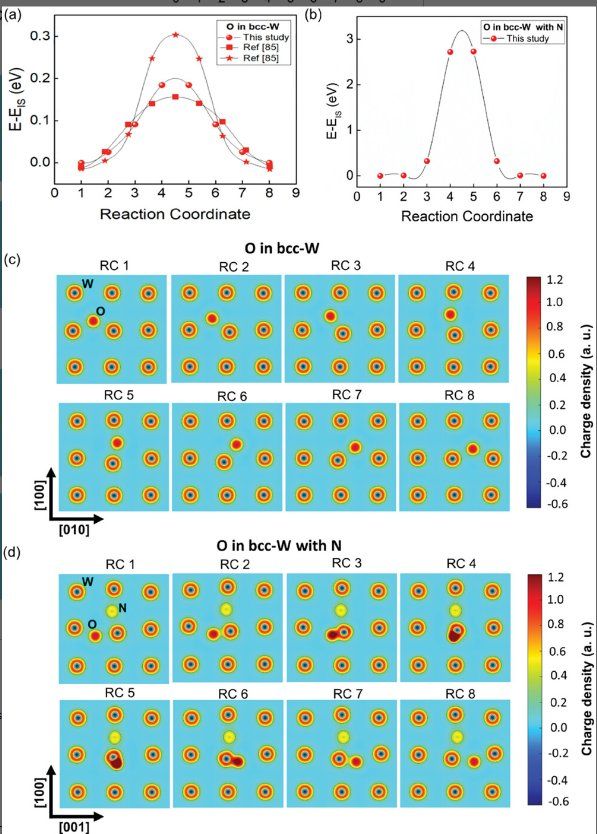
- Thermochemistry. CALPHAD calculations in FactSage for phase stability and high-temperature reactions, and DFT for how oxygen and nitrogen move in tungsten.
- Gas–metal reactions and atmosphere control. Building tungsten under nitrogen instead of argon to stop oxide-driven cracking, controlling oxygen in inert and low-pressure atmospheres, and tracking oxygen pickup in reused titanium powder.
Process metallurgy
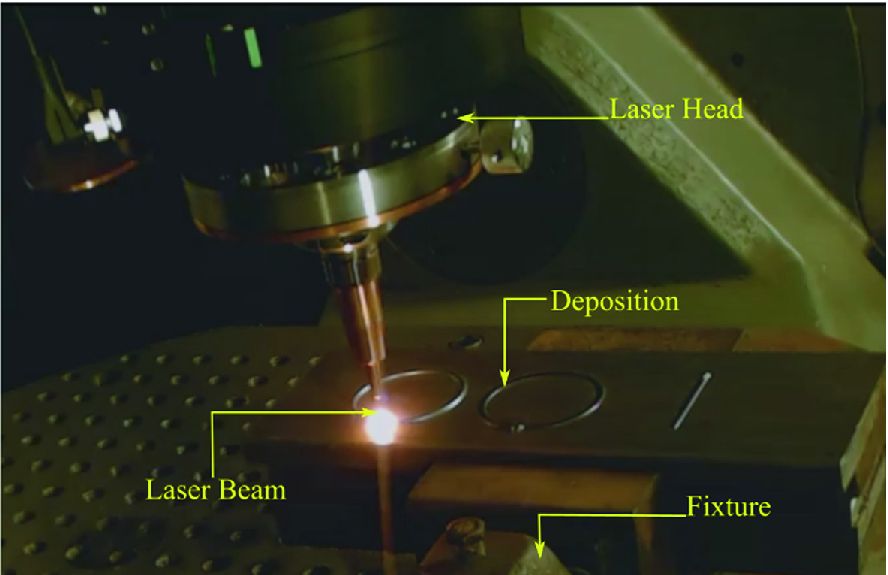
- Melting and joining processes. Laser powder bed fusion, laser, TIG and MIG deposition, wire-fed electron beam additive manufacturing with NRC, and friction stir welding of dissimilar Al–Cu joints.
- Heat treatment and HIP routes. Stress relief, solution treatment and hot isostatic pressing designed for printed material, for example stress-relieving LPBF IN625 at 760 °C rather than the wrought-alloy temperature to avoid secondary phases.
- Forming and finishing. Teaching assistant for advanced metal forming at IIT Gandhinagar; wire EDM, machining, femtosecond-laser micromachining and surface finishing of printed parts.
Mechanical metallurgy
- Strengthening mechanisms. Flow stress modelled as solid-solution, grain-boundary, cell-boundary, dislocation and Orowan contributions, showing how heat treatment shifts strength from cell boundaries to carbide dispersion.
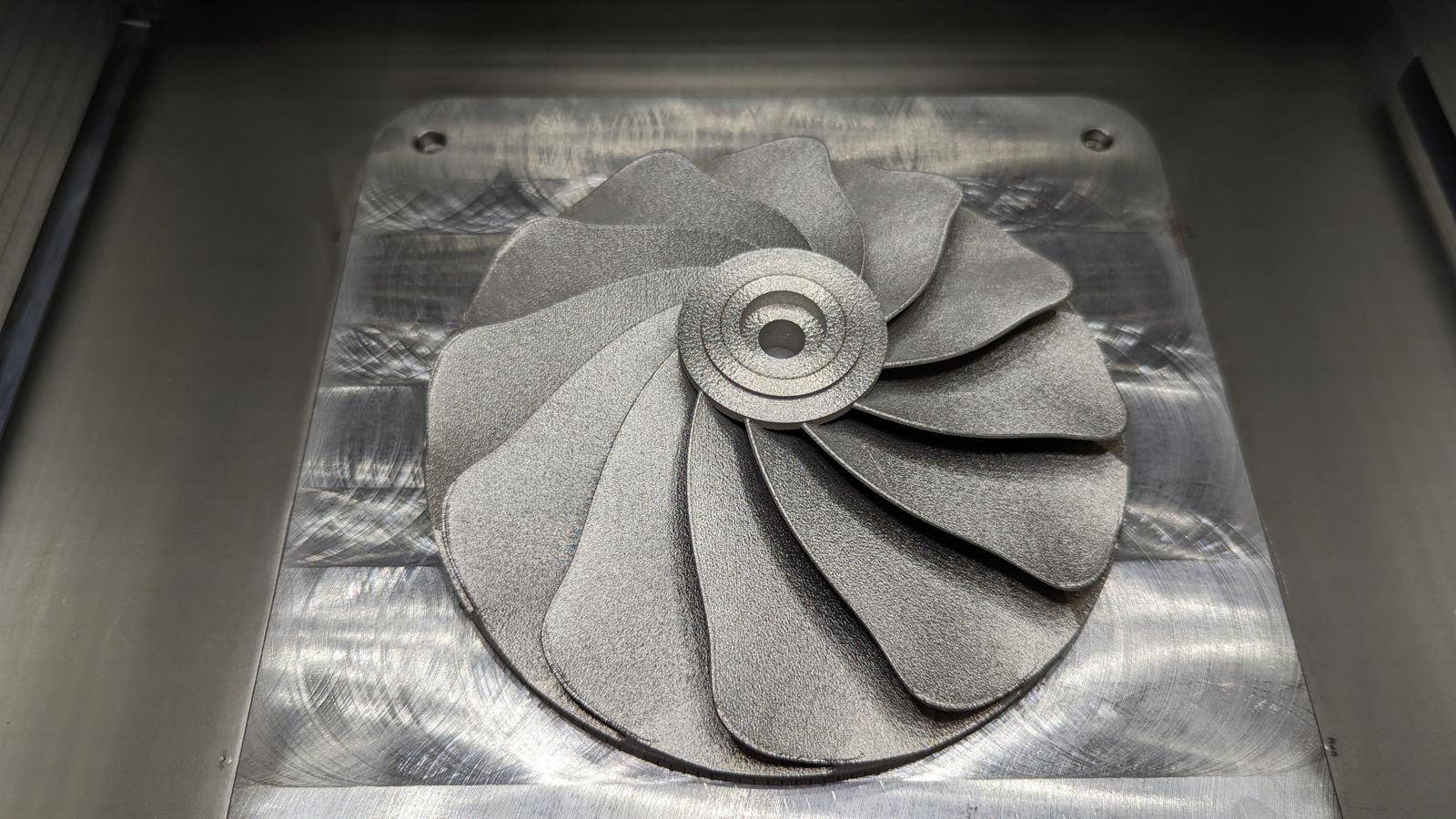
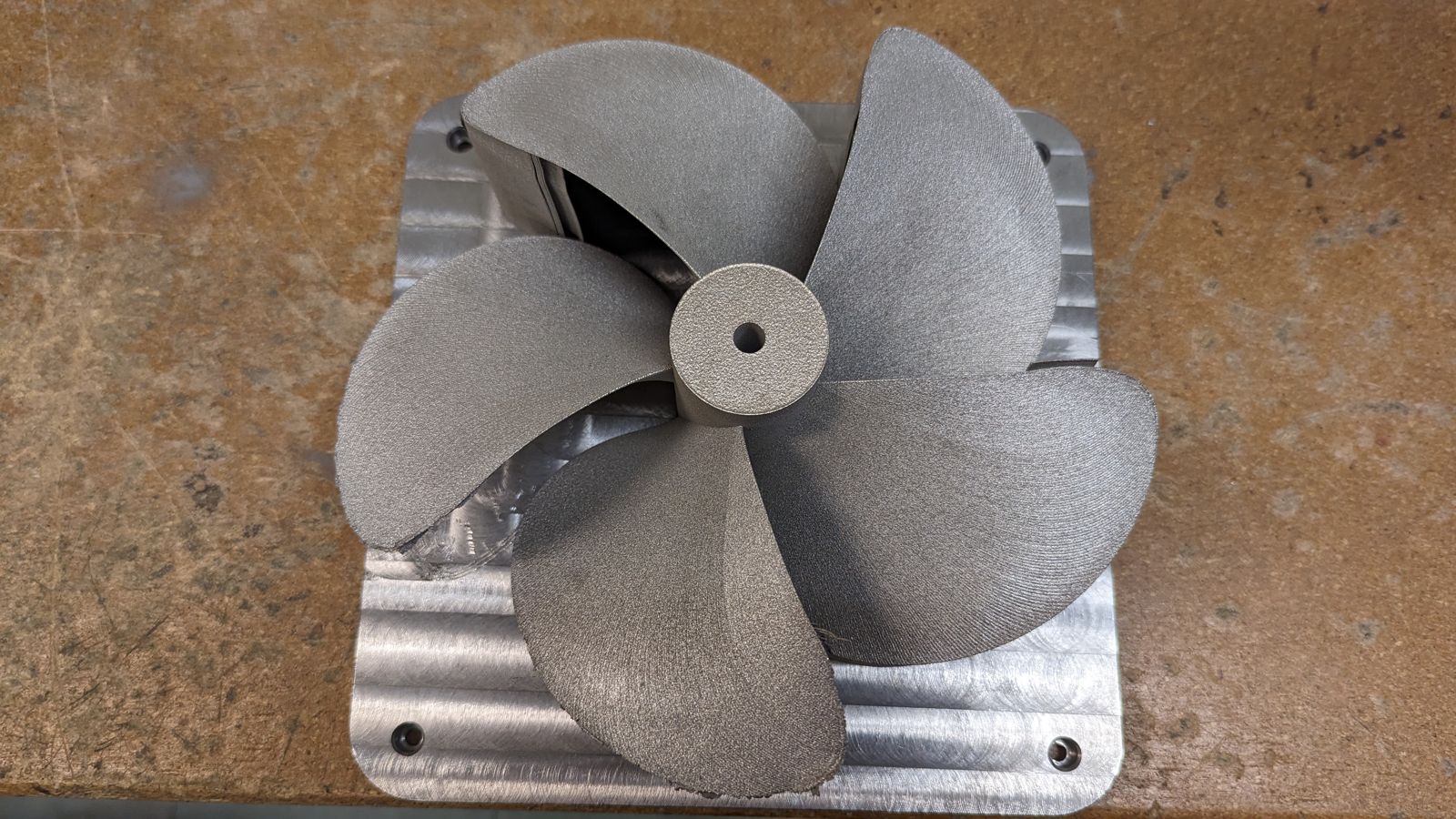
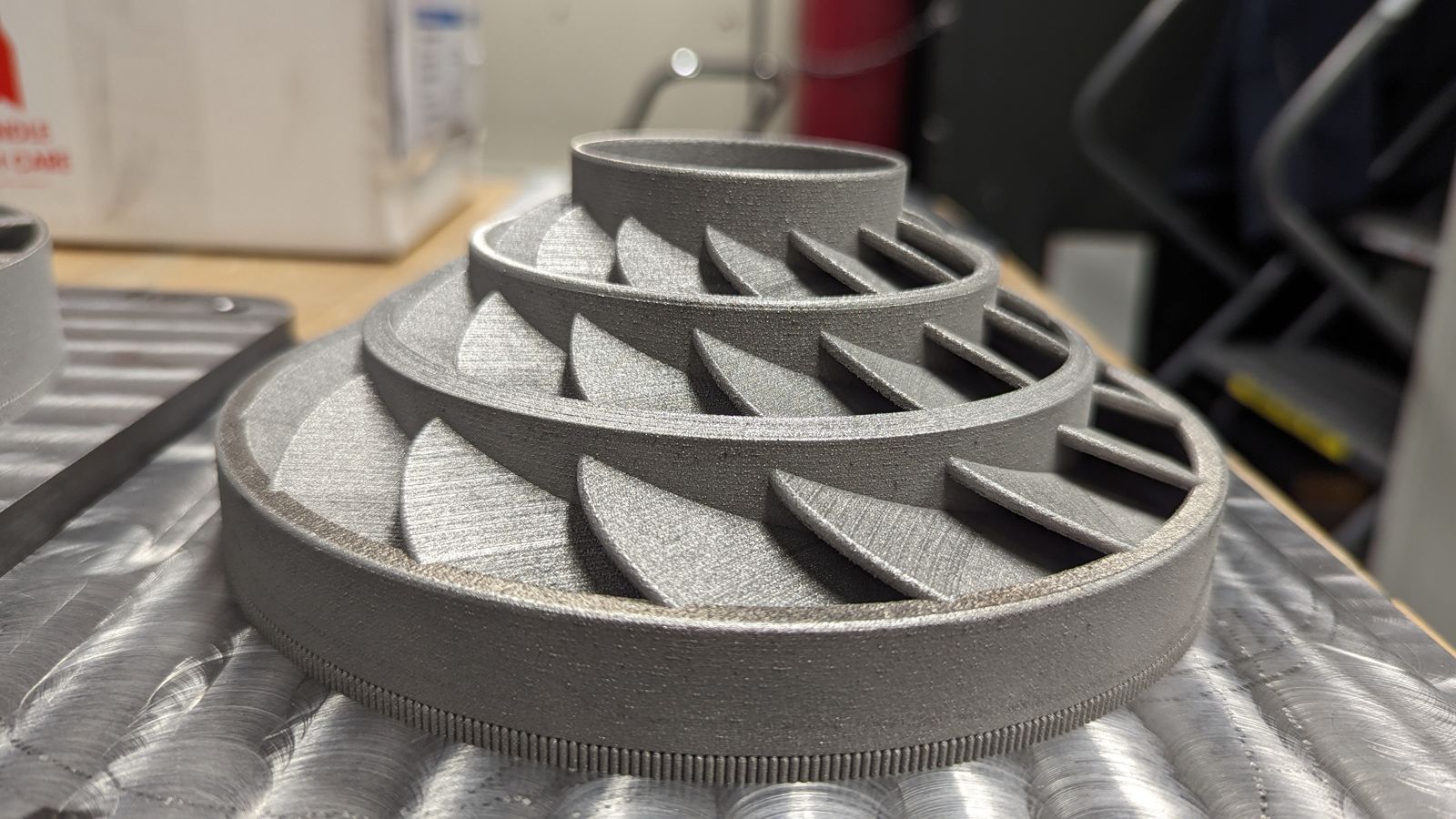
- Strength and ductility of printed parts. Support-free IN625 impellers reached 790 MPa yield, 1040 MPa UTS and 45% elongation. Tensile, hardness, nanoindentation and digital image correlation tests tied properties to location, orientation and layer thickness.
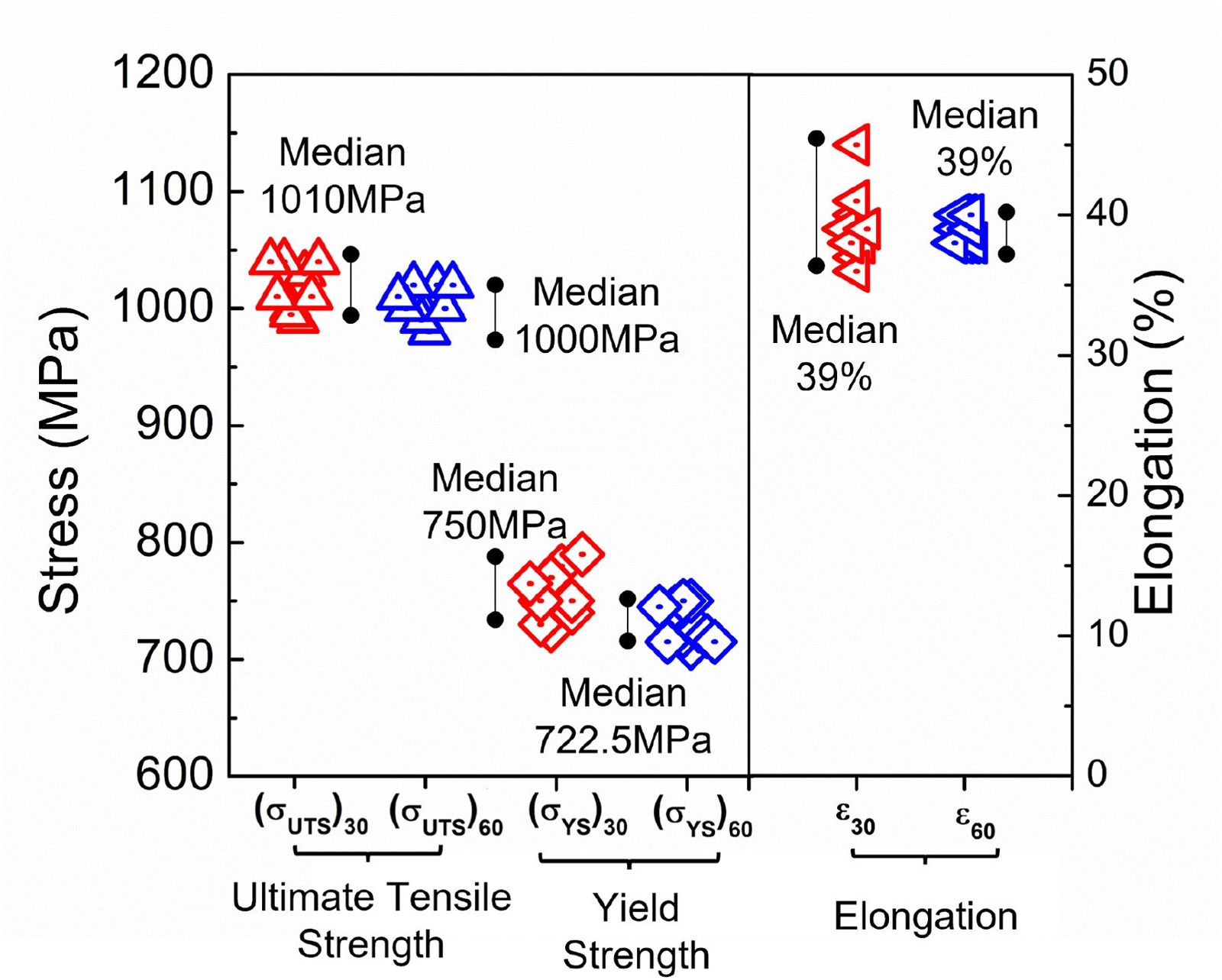
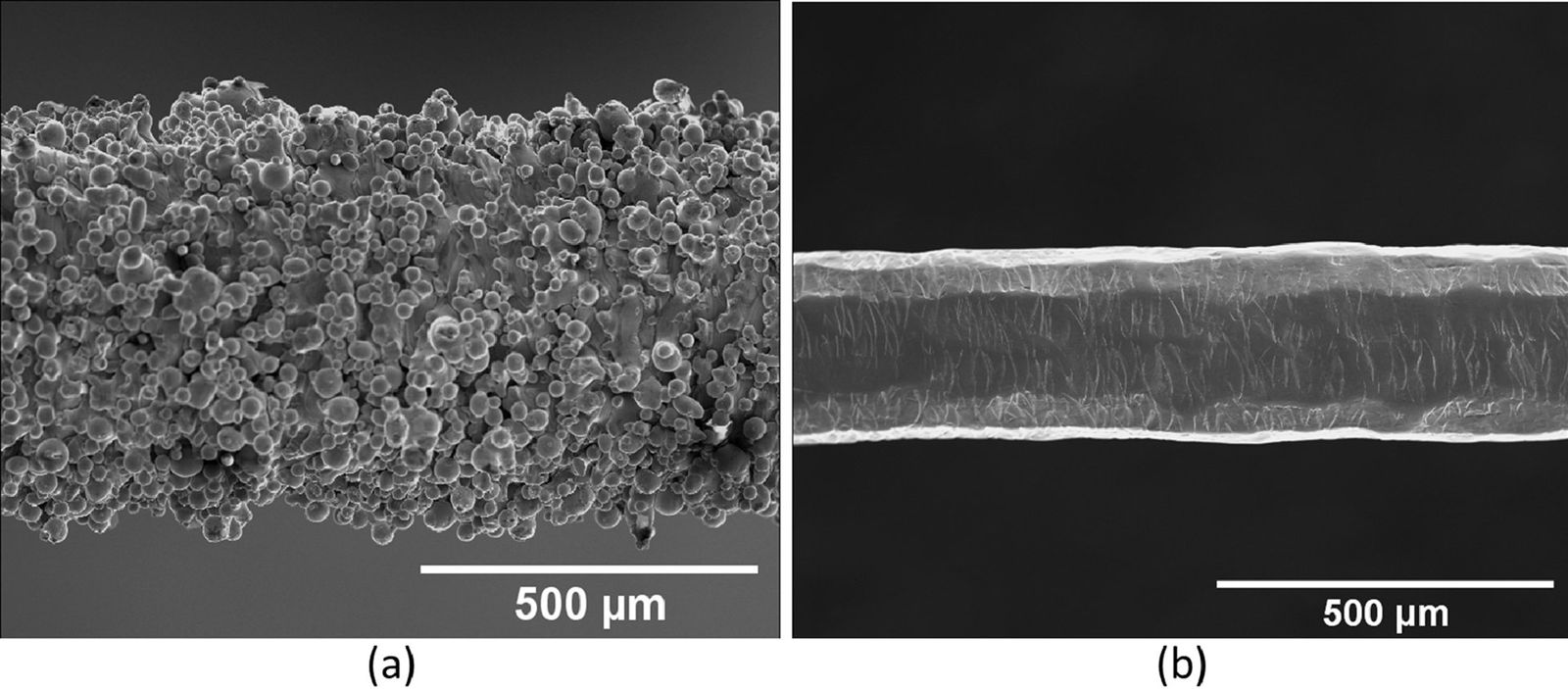
- Surface, notches and fatigue. For 250 µm 316L micro-struts, finite element and test results showed that as-built surface features act as notches: they raise apparent UTS from 533 to as much as 760 MPa but cut uniform elongation from about 0.52 to 0.36–0.38 and concentrate fatigue damage.
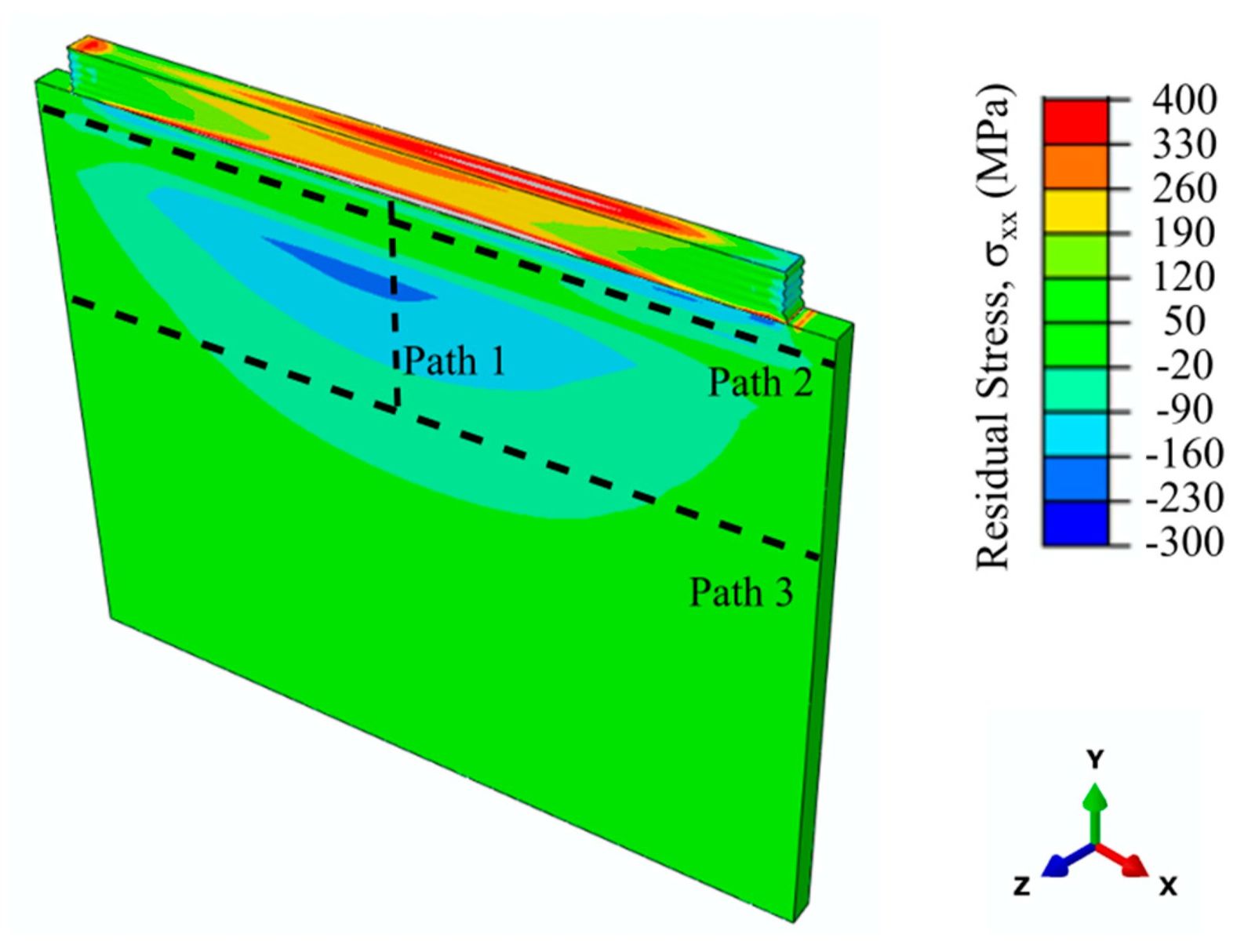
- Residual stress and fracture. How residual stress, roughness and defects combine to control distortion, cracking and fatigue life, the subject of my ASM Handbook chapter.
Powder metallurgy
- Powder characterization. Particle size distribution, morphology, apparent and tap density, flowability and chemistry, including oxygen, for LPBF feedstock.
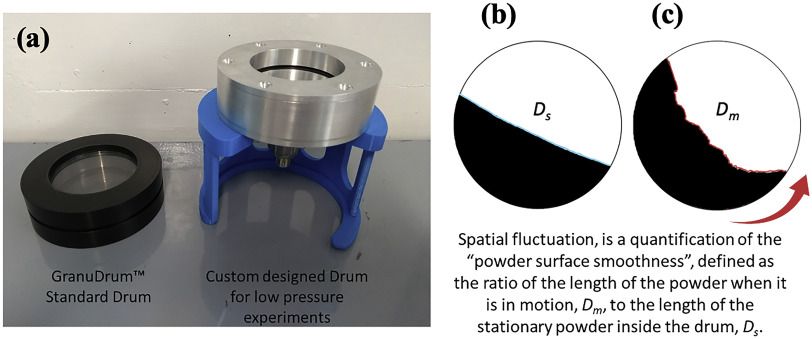
- Powder flow and spreading. A custom rotating drum to measure flow in controlled atmospheres and at low pressure, work on triboelectric charging of AM powders, and a patented instrument to measure the density of each spread powder layer.
- Reuse and oxygen pickup. A mass-balance and oxygen model for titanium powder reuse across 100 builds, and an interactive calculator.
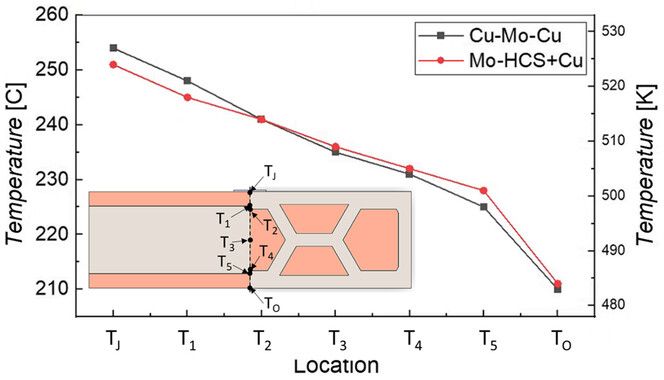
- Consolidation routes. Copper infiltration of printed Mo and TZM skeletons for heat sinks, hot isostatic pressing, and spatter formation and its effect on reused powder.
Characterization
- Alloys I have worked with. Ni-based superalloys (IN625), stainless steel (316L), Ti-6Al-4V, aluminium alloys including Al–Sc, and refractory metals: tungsten, molybdenum, TZM and niobium.
- Microscopy and diffraction. SEM, EBSD, EDS, TEM, FIB, ECCI, AFM, XRD for phase, texture and residual stress, XPS and X-ray CT.
- Mechanical testing. Tensile, fatigue, hardness, nanoindentation and digital image correlation.
Solution heat treatment paper, micro-strut tensile paper, rotating drum paper, and my perspective on physical metallurgy in LPBF.
Laser powder bed fusion and part production
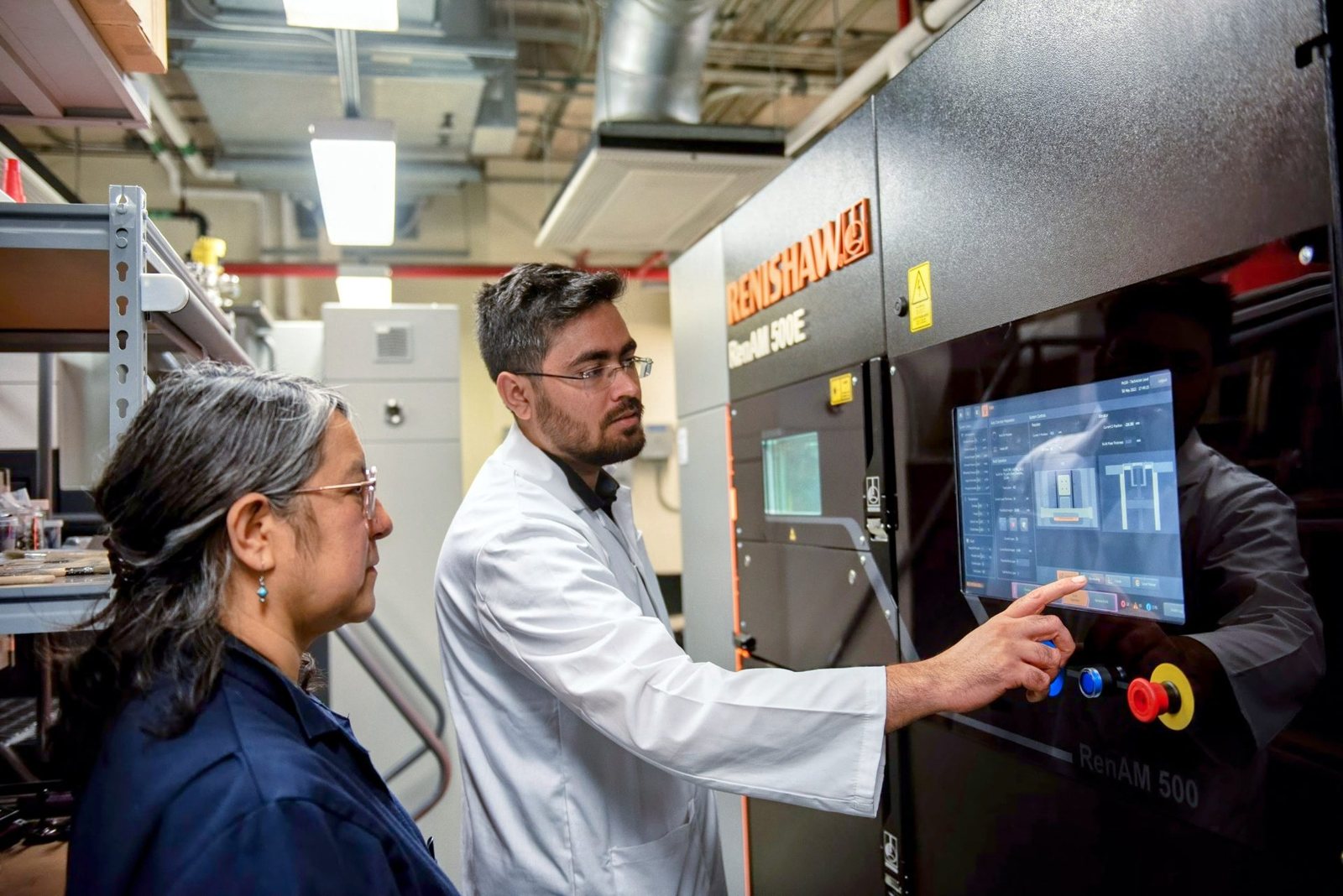
I have run laser powder bed fusion machines for years: Renishaw AM250, AM400 and RenAM 500E. I care about the whole route, from parameters to a part that passes inspection.
- Process windows. Density, distortion, surface and downskin parameters for IN625, 316L, Ti-6Al-4V, Al alloys and refractory metals.
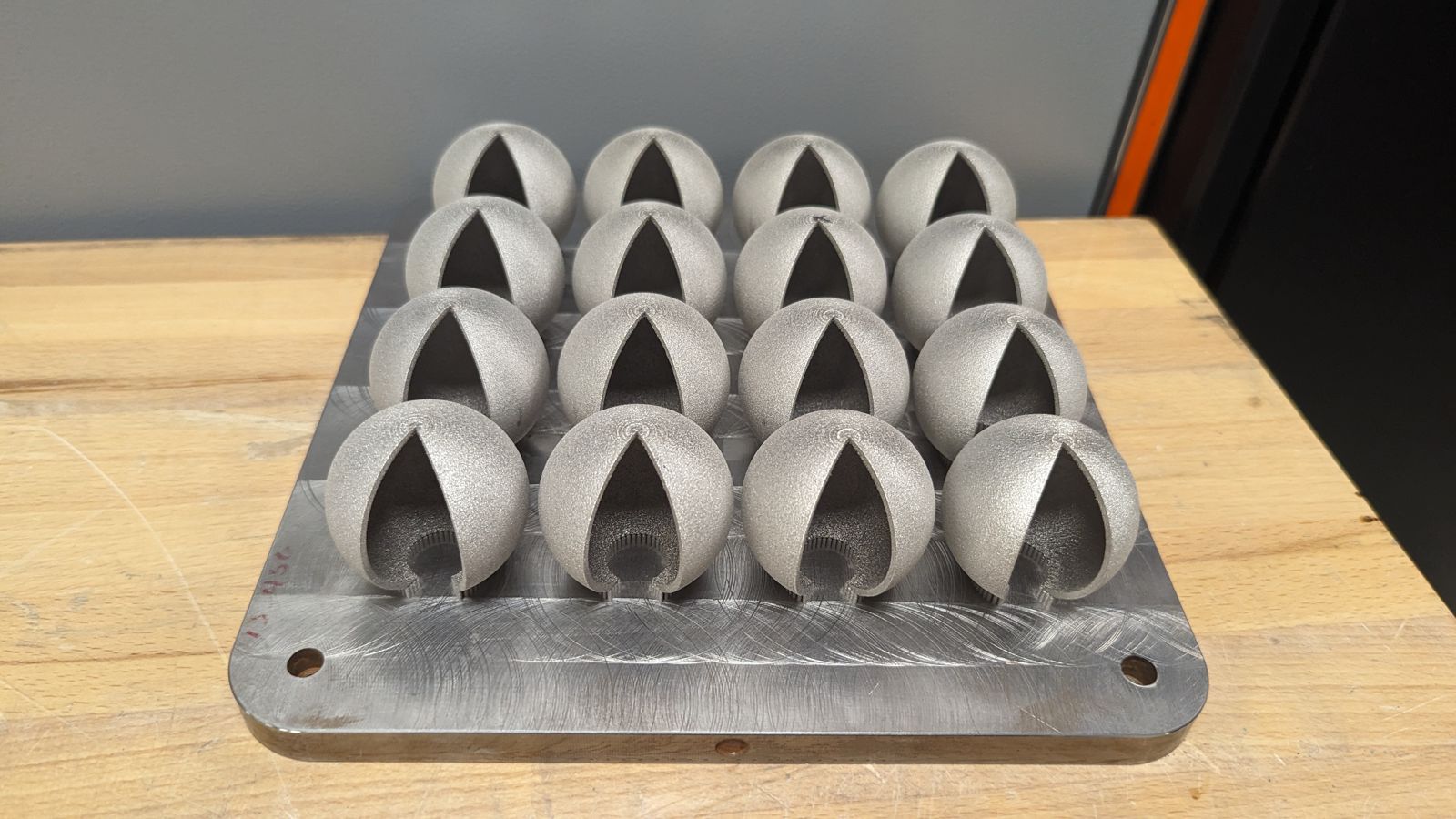
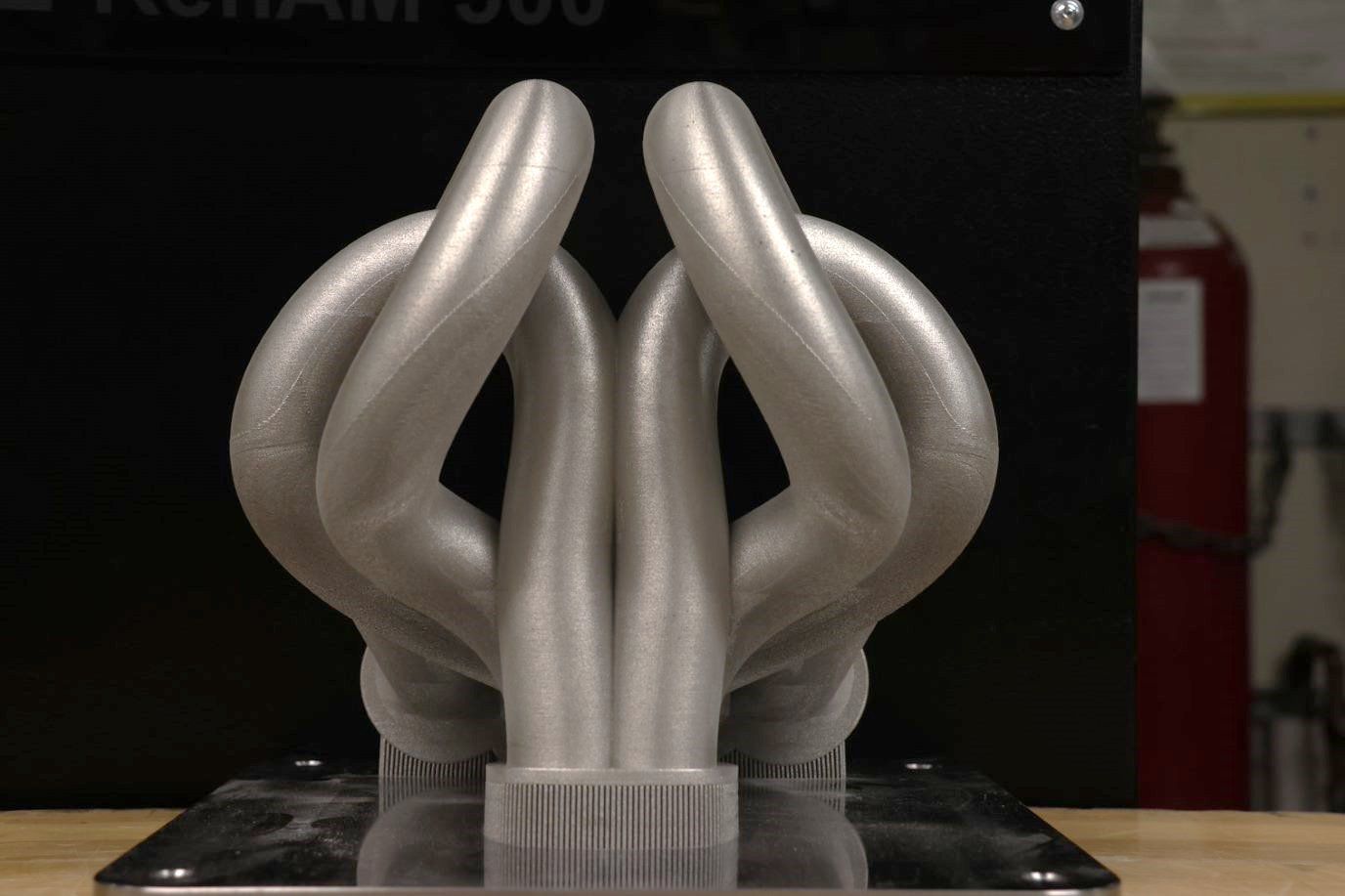
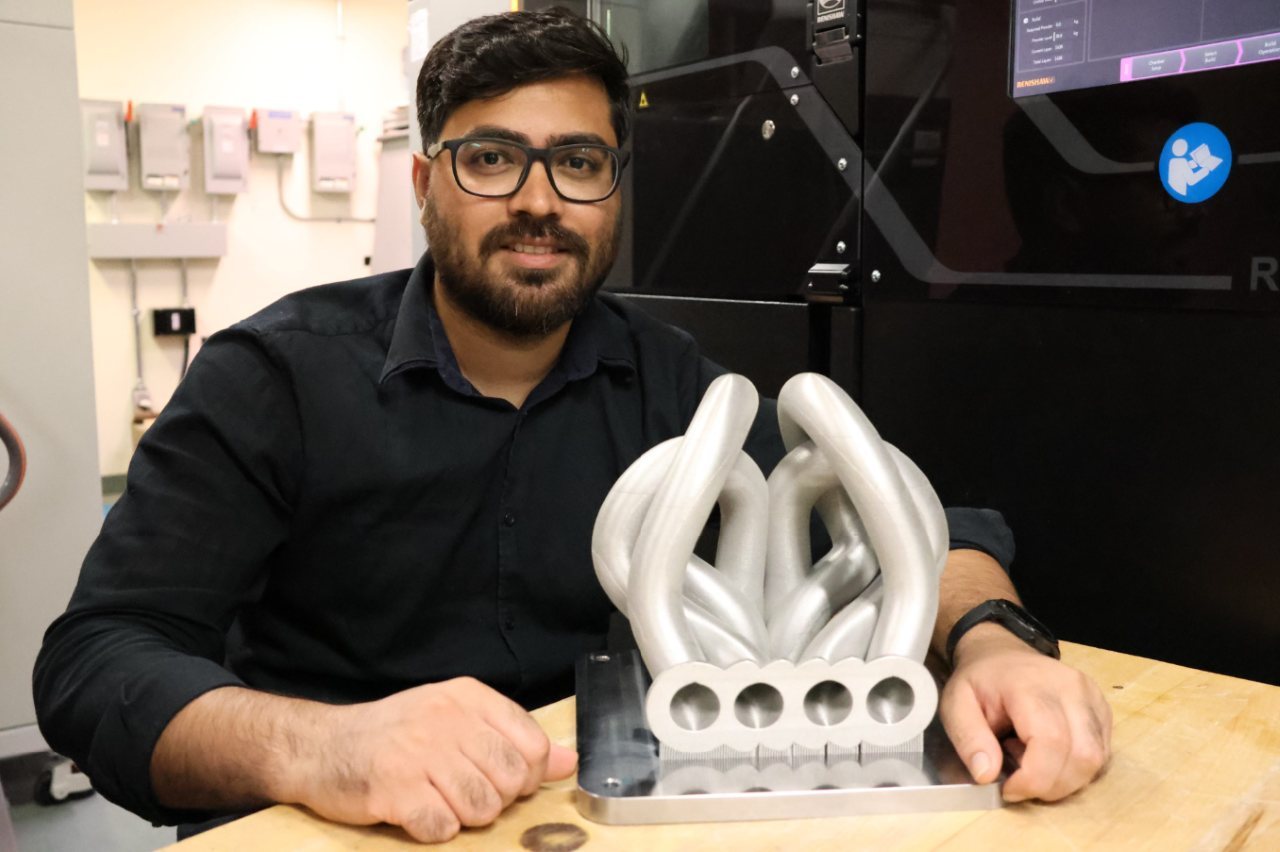
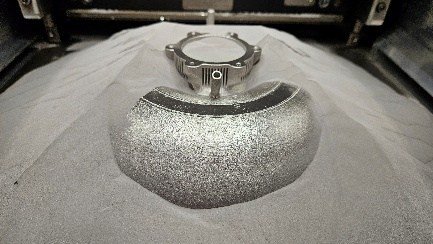
- Support-free overhangs. Bars down to 5°, zero-degree internal overhangs, closed impellers up to 20.5 cm, domes and manifolds. Parts shown at IMTS, Rapid3D and Formnext.
- Production route. Build preparation in QuantAM, Magics and Netfabb; region-specific scan strategies; depowdering, stress relief, wire EDM, machining and inspection.
- Netfabb material-file manual. Wrote a practical manual at Productique Québec explaining every Netfabb material-file parameter for Renishaw LPBF machines, from build-time estimation and scan ordering to borders, hatching, stripes, upskin and angle-banded downskin intervals, cross-checked against Renishaw’s Material Editor documentation so anyone in the lab could build and qualify a parameter set.
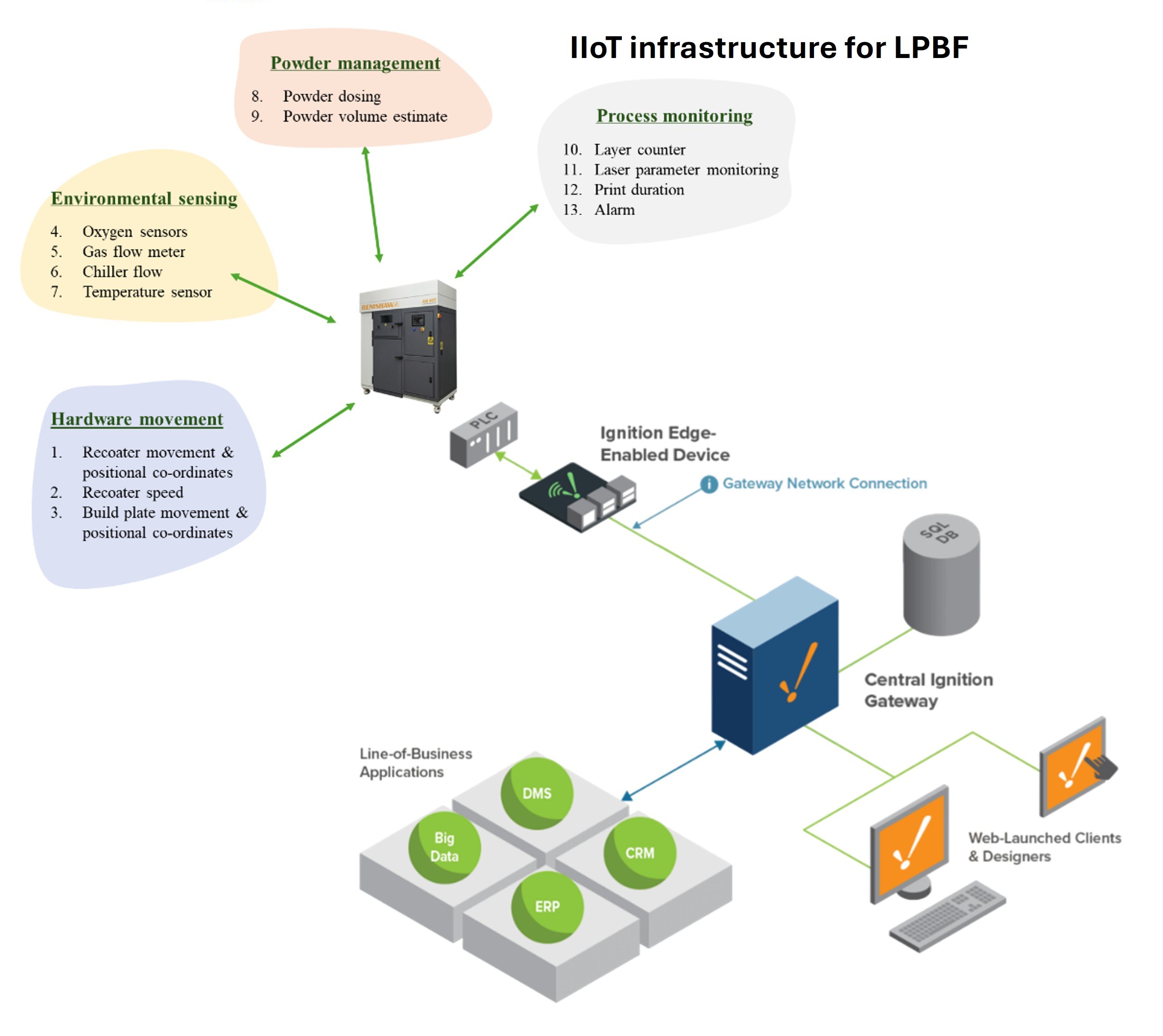
- Monitoring and quality. Real-time build monitoring on an IIoT platform, and root-cause investigation of nonconforming builds.
Residual stress
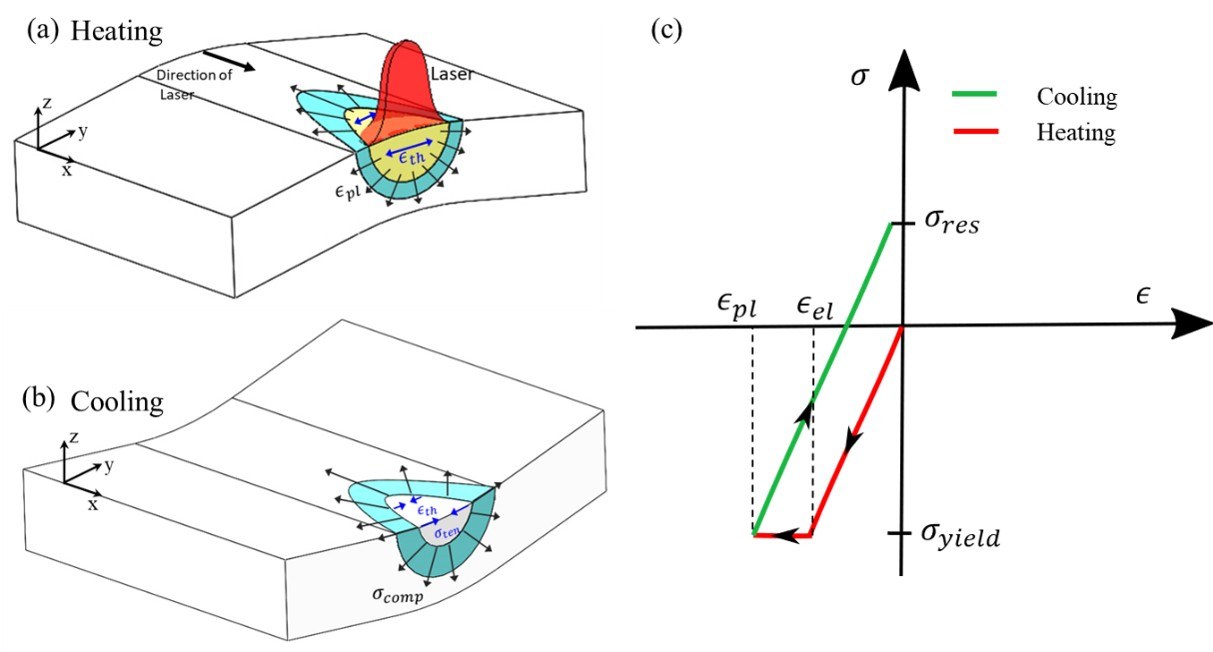
Residual stress decides whether a printed or welded part distorts, cracks or survives service. I study it from three sides: why it forms, how to measure it, and how to keep it down.
- Author of the chapter “Understanding residual stresses in the field of additive manufacturing”, ASM Handbook Volume 25A (2025), covering powder bed fusion, directed energy deposition and wire-arc AM.
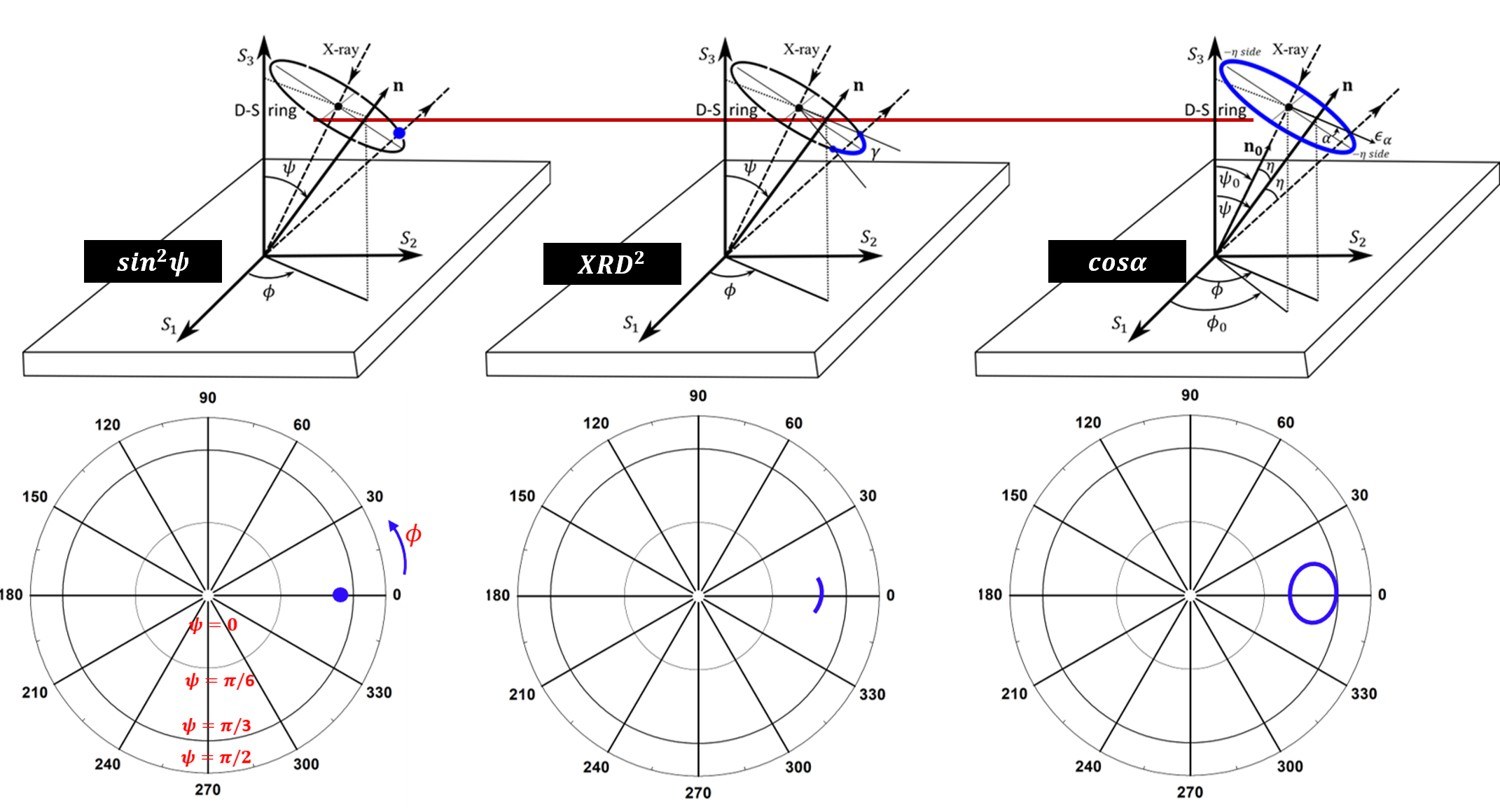
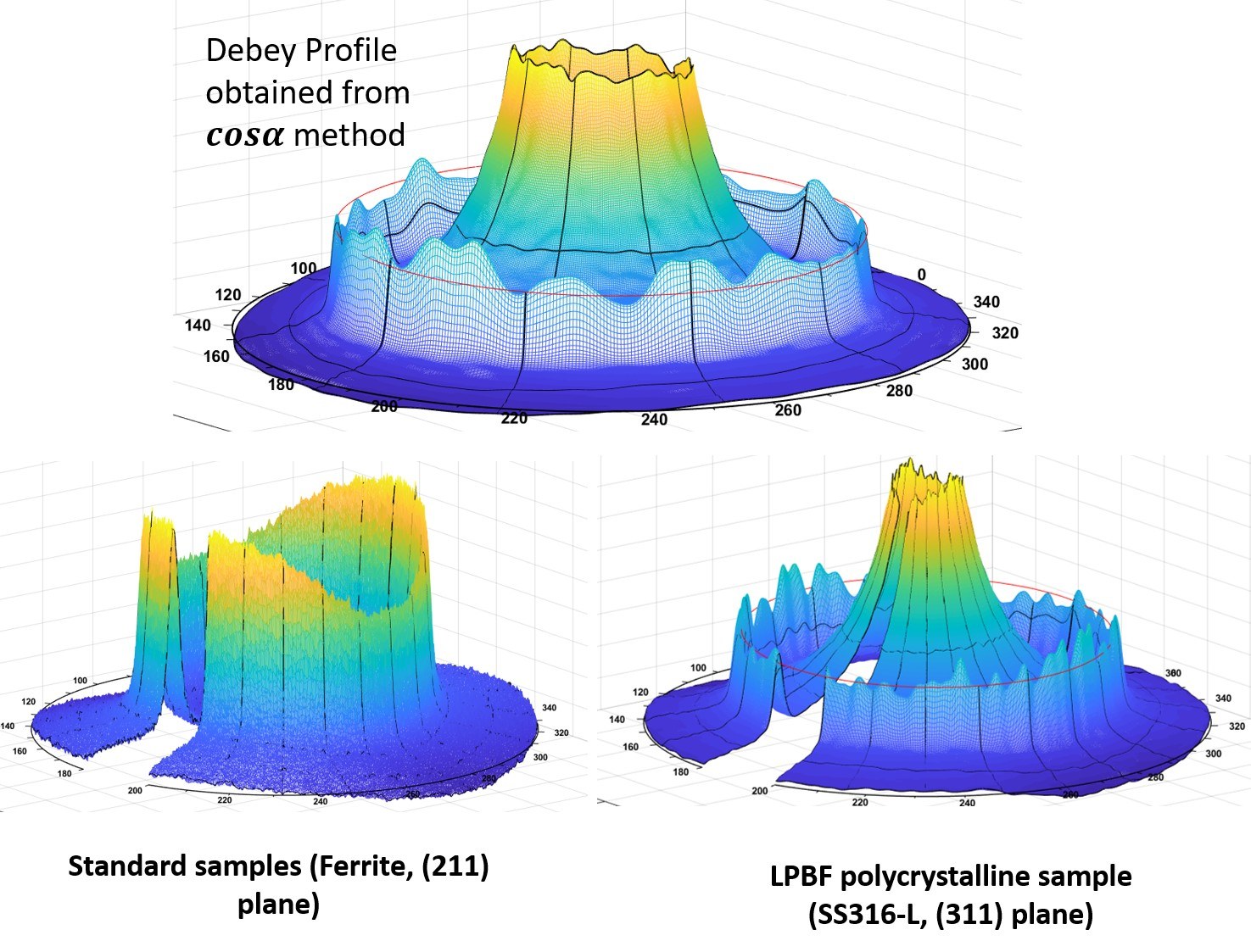
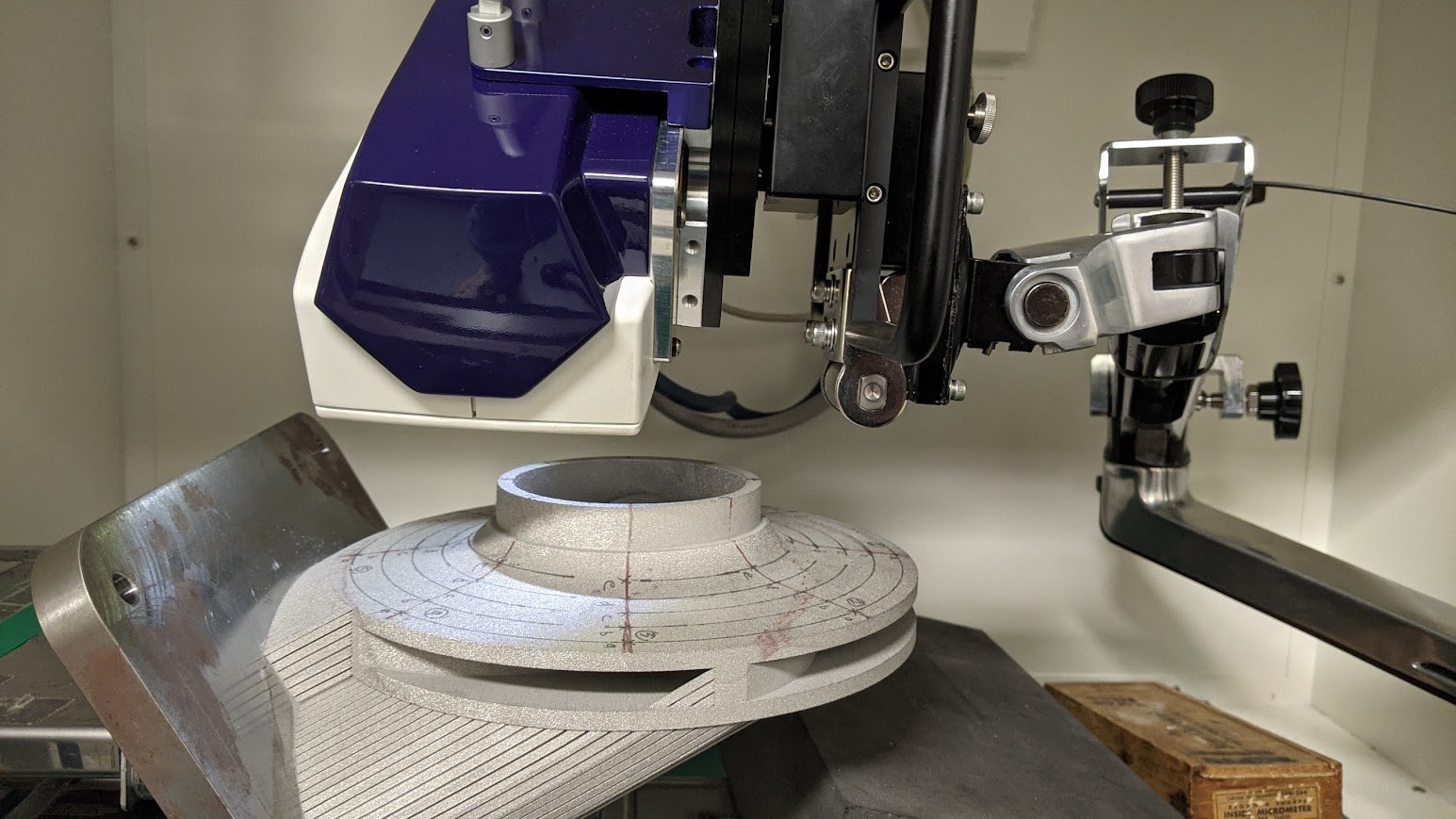
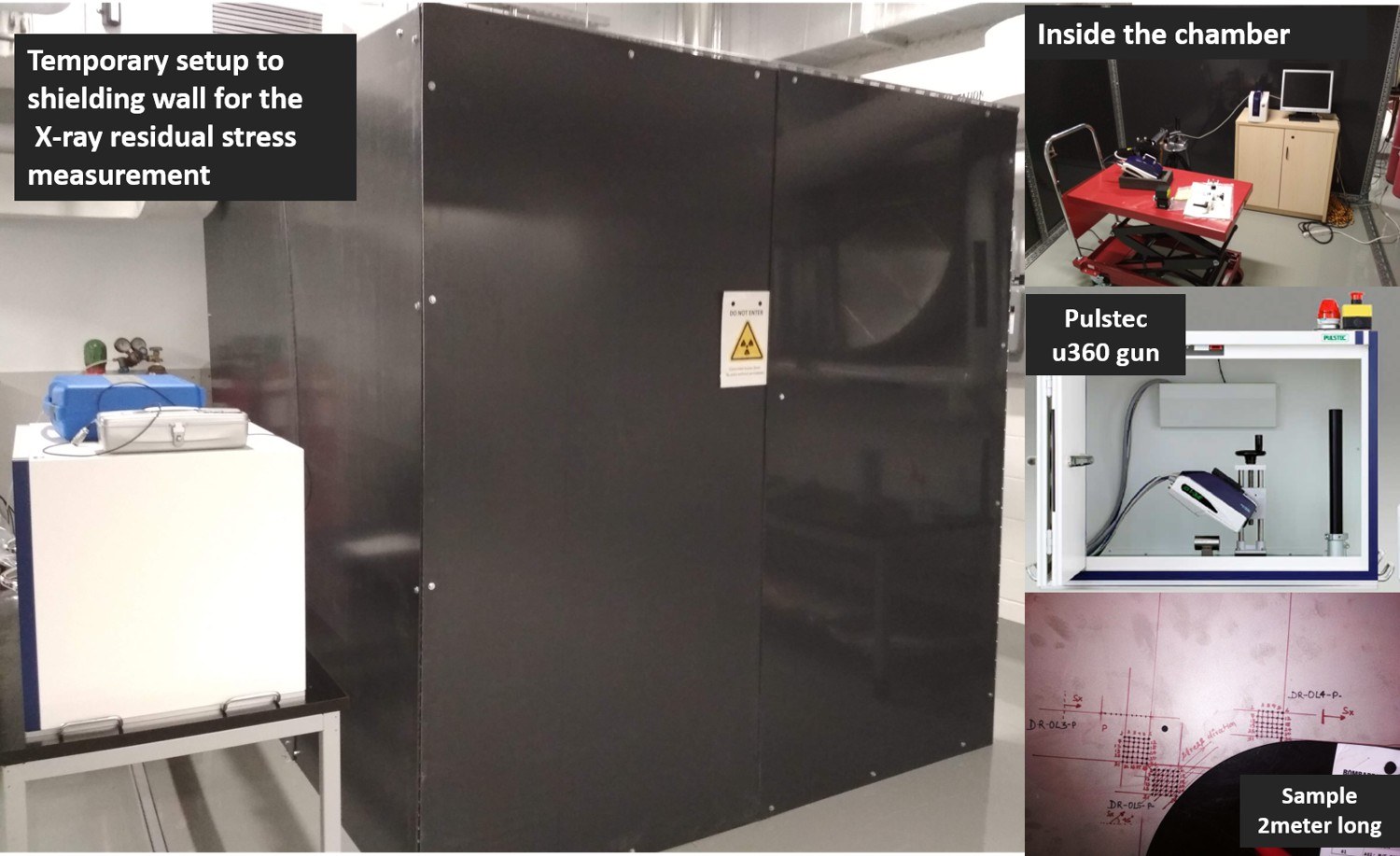
- Measurement. Set up and ran an NDT residual-stress facility for aviation components up to 2 m for Bombardier, Pratt & Whitney and NRC. Compared sin²ψ, cos α and XRD² methods.
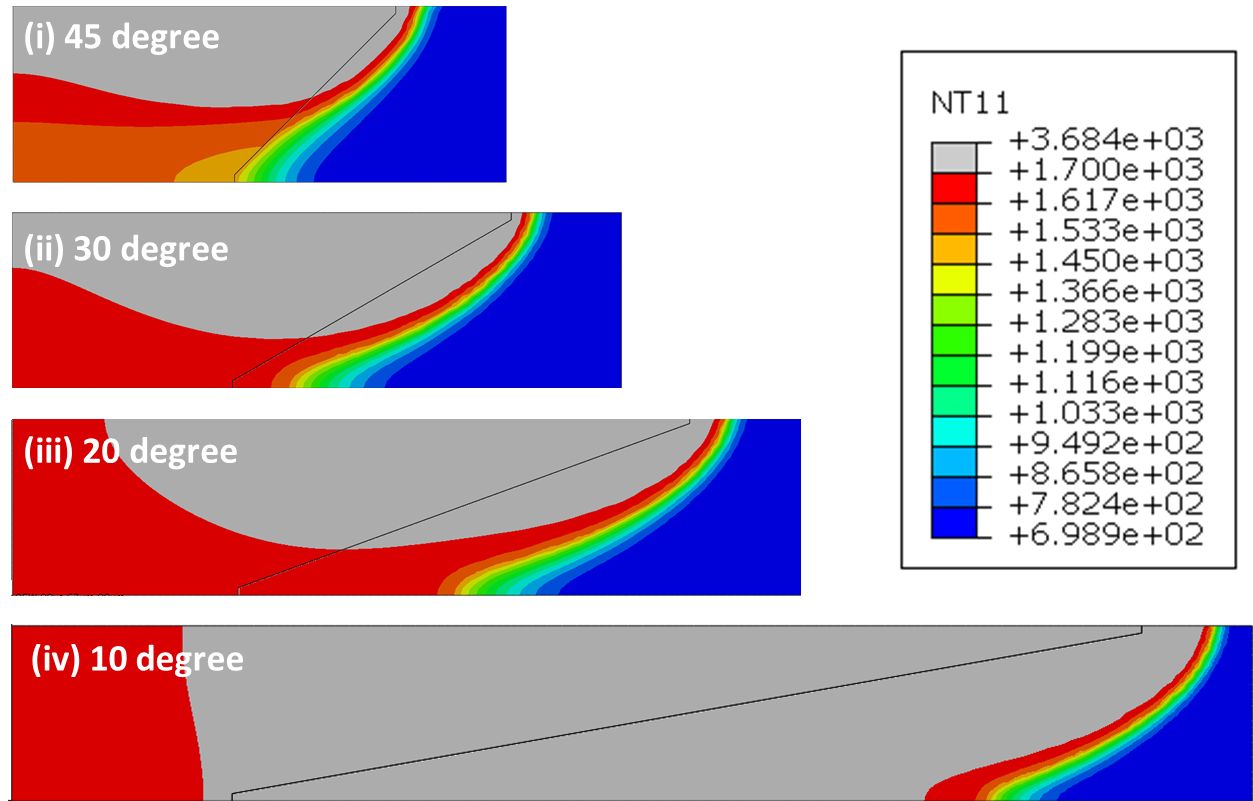
- Cause. Linked residual stress to cooling rate, alloy, solidification structure, scan strategy and overhang angle. Lower overhang angles show higher tensile stress on the upskin.
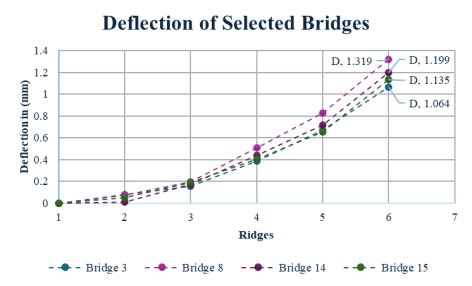
- Mitigation. Scan rotation, vector length and region-specific parameters, plus distortion benchmarking with NIST bridge specimens.
Simulation and data
I use models to decide what to print, not to decorate papers. Most of my simulations were checked against thermocouples, X-ray measurements or CT.
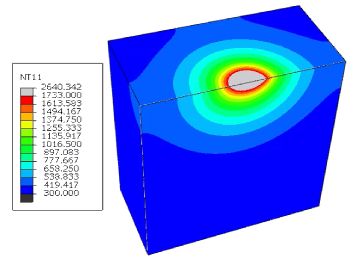
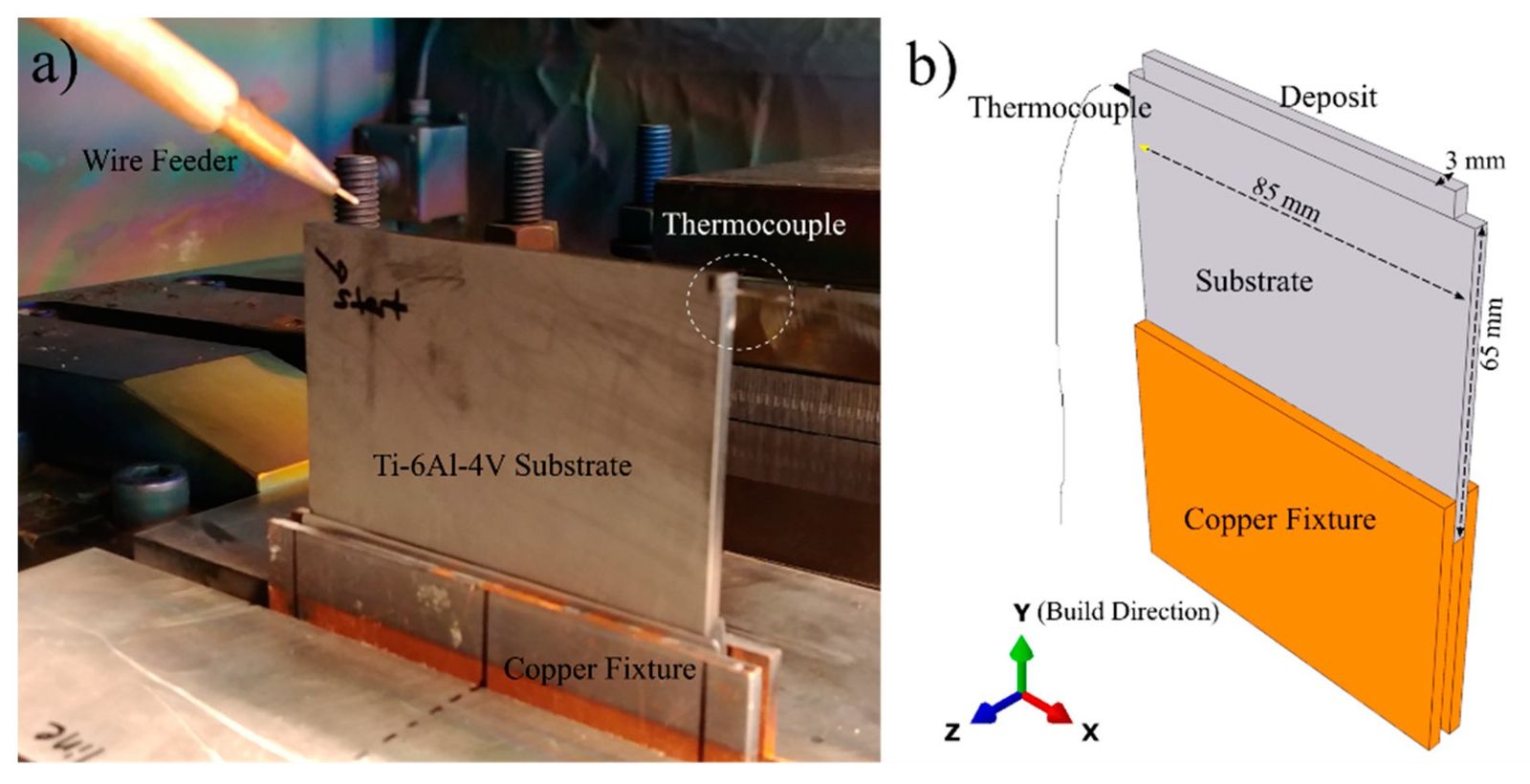
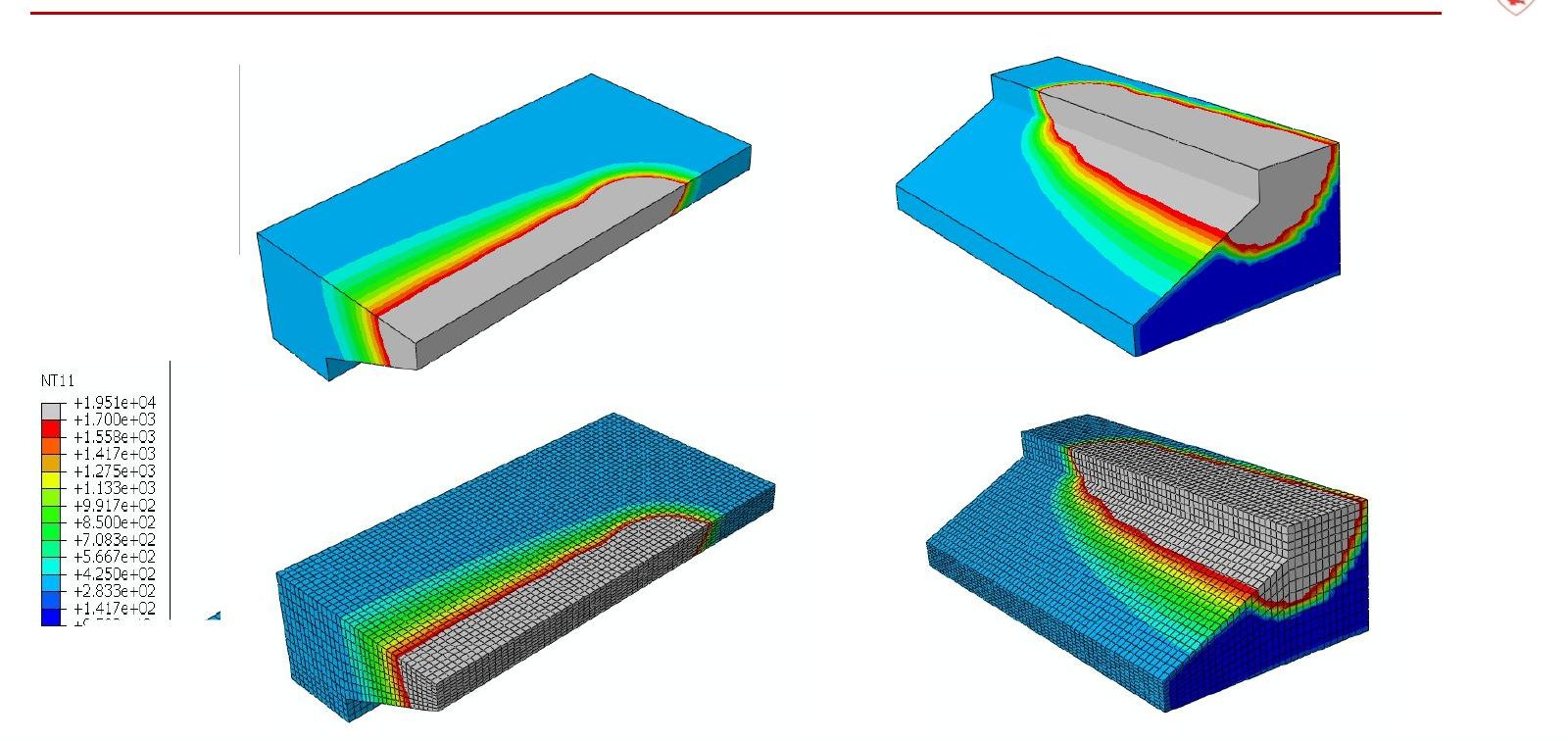
- Thermo-mechanical FEM. ABAQUS models of residual stress and distortion; a wire-fed EBAM model matched measured temperatures within 3.7%.
- Multi-scale process modelling, FEM and FVM. Finite volume thermo-fluid models of the melt pool (Navier–Stokes, Marangoni flow, recoil pressure, surface tension) and finite element thermal, thermo-metallurgical and thermo-mechanical models of the part, used to predict melt-pool geometry, heating and cooling rates and solidification conditions.
- Build-preparation simulation. Netfabb and QuantAM build preparation with region-specific parameters, and part-scale simulation of distortion before printing.
- Low-overhang thermal modelling. Heat accumulation and melt-pool behaviour in downskin regions as the overhang angle drops.
- Powder-scale modelling. Discrete-element (DEM) thinking for powder spreading and flow, linked to rotating-drum experiments.
- Statistics and machine learning. Designed experiments, ANOVA and Tukey tests, regression and decision-tree models for laser-parameter optimization; Python, MATLAB, R, PyTorch.
- Atomistic and thermodynamic tools. DFT (Quantum ESPRESSO) for nitrogen and oxygen diffusion in tungsten, CALPHAD with FactSage.
Manufacturing research and machine design
I started as a mechanical engineer, and I still build the machines I study. That hands-on side shapes how I run research: design it, build it, measure it.
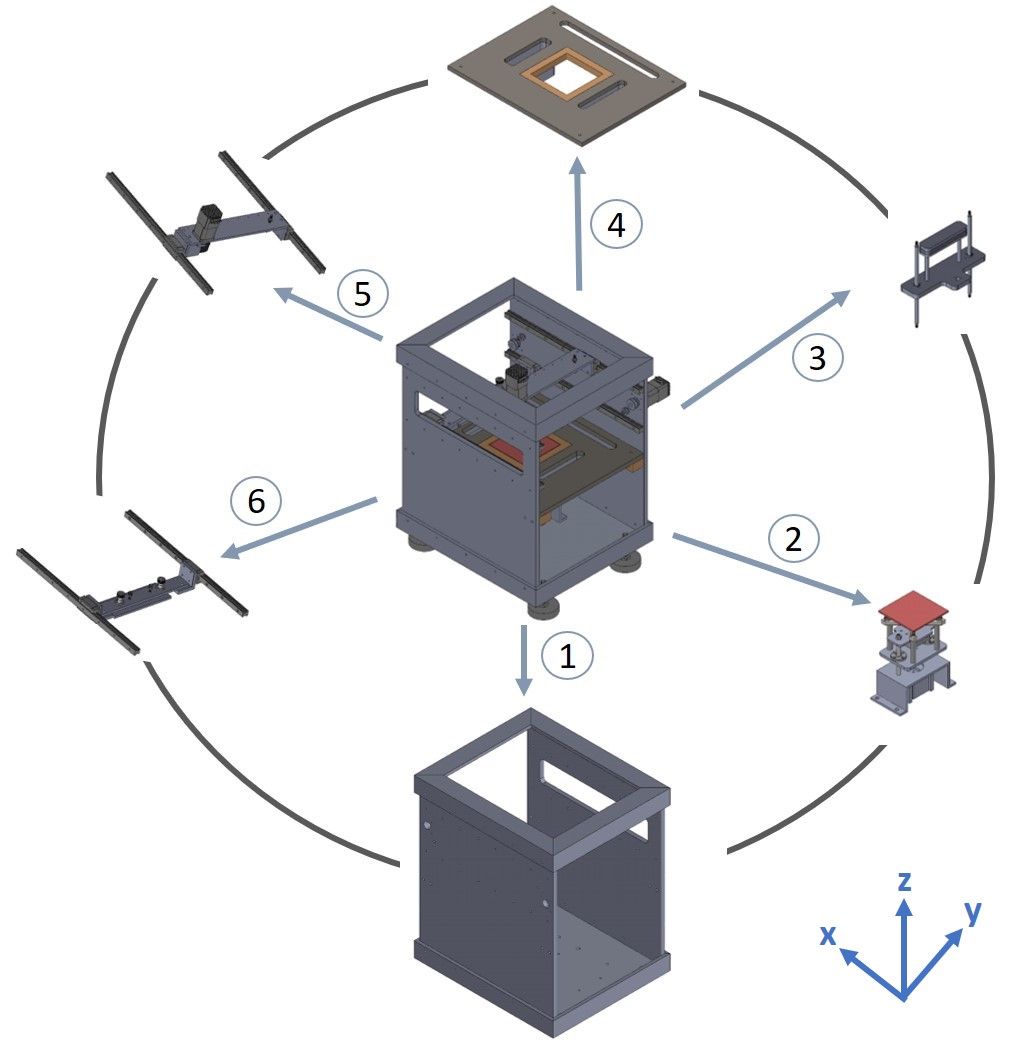
- Machine design and assemblies. Designed, built, automated and calibrated a powder-layer density instrument (patent application US20220023951A1), with design reviews run on DFMEA and DfMA.
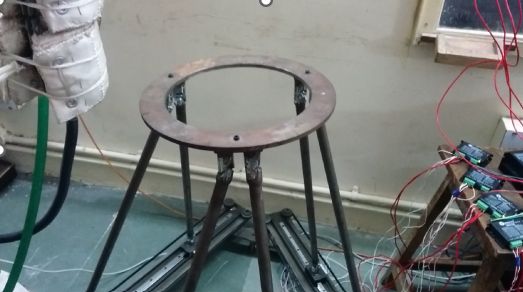
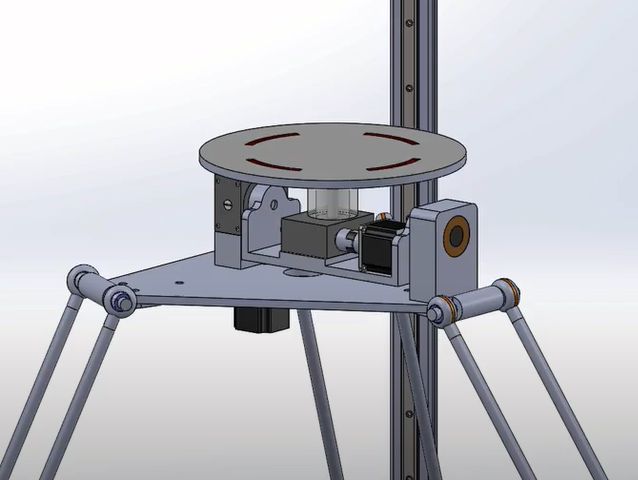
- Robots and path planning. Built a 5-axis parallel (Stewart) manipulator and delta robots for support-free multi-axis deposition, and programmed omnidirectional TIG/MIG deposition of an open impeller on a Hermle 5-axis CNC.
- Laser systems. Integrated a pulsed laser with an X-Y gantry for selective powder-bed melting, and retrofitted a Fraunhofer laser head onto a CNC for wire cladding.
- Powder manufacturing and characterization. Designed a vacuum rotating drum to characterize powder flow in controlled atmospheres, and built a reuse model for titanium powder.
- Machining, finishing and inspection. Took parts through stress relief, wire EDM and machining, with CMM, 3D scanning and X-ray CT for dimensional validation.
Industry and business development
Good research also has to make business sense. I have spent the last years translating AM capability into projects that companies can justify.
- Industrial R&D. Scoped and delivered metal AM projects with manufacturers at Productique Québec, from technical scope and proposal content to production-readiness reviews.
- Technology and market assessment. Co-authored an industrial assessment of aluminium–scandium alloys: properties, cost, supply risk, an application-decision framework and candidate partners.
- Powder economics. Built a titanium powder reuse model and an interactive calculator for oxygen pickup, top-up and cost per build.
- Representing AM. Conferences and trade shows (HI-AM, AMUG, IMAT, STFM), industry visits, and the ASTM ICAM 2026 symposium on AI/ML for data-driven manufacturing, which I co-organized.
Teaching and training
I enjoy teaching engineers the why behind the process. My courses mix physics, real build data and the mistakes I have made along the way.
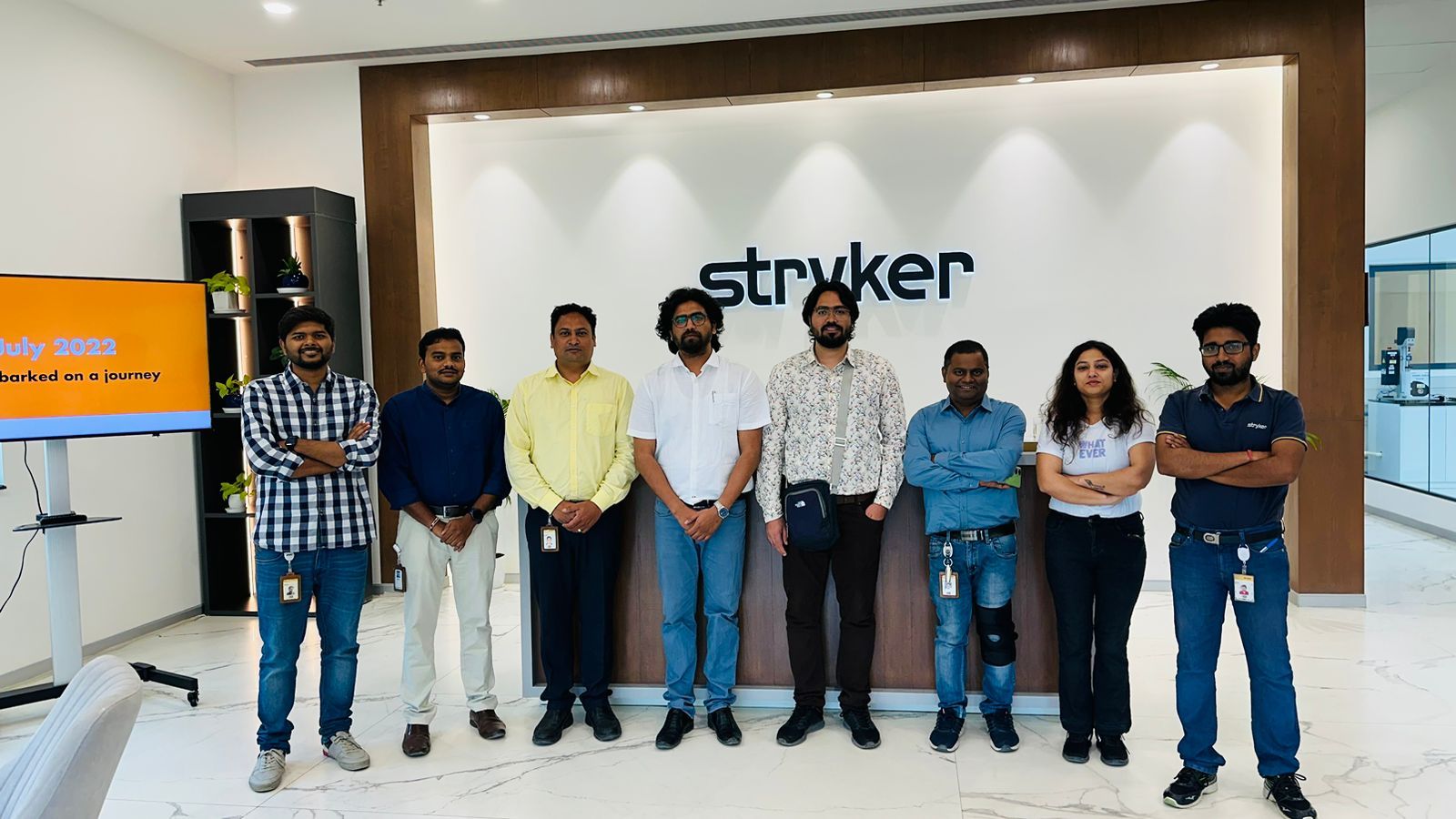
- Industry training. Designed and delivered an LPBF course for Stryker engineers through IIT Guwahati’s Advanced Training Program (2024): fundamentals, build preparation, DfAM, post-processing and characterization for medical implants.
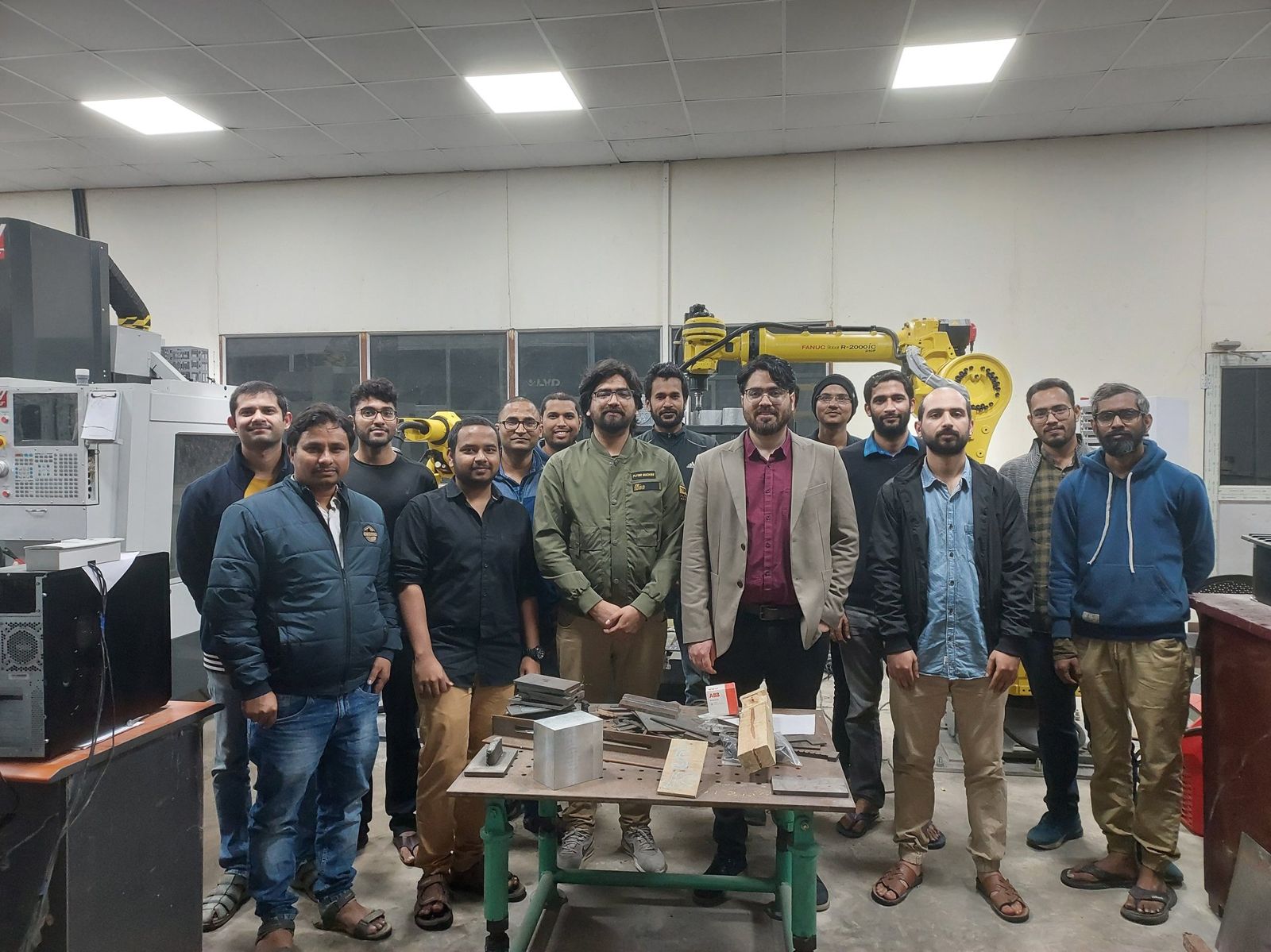
- Robotics training. Trained doctoral researchers on ABB robots, Fanuc WeldPro and Mastercam for automated laser, TIG and MIG deposition.
- University teaching. Teaching assistant for fluid mechanics (McGill), rapid product development (IIT Bombay), advanced metal forming and the materials testing laboratory (IIT Gandhinagar).
- What I teach. LPBF in depth, from machine sub-systems to qualified parts; advanced design for additive manufacturing; materials science in depth, across physical, pyro-, process, mechanical and powder metallurgy; process simulation with FEM and FVM; residual stress; and Netfabb build preparation.
See the courses I offer, or slides from the 360-slide LPBF course I taught for Stryker.